A Complete Guide to Industrial Seals: Types, Functions, and Applications
Mar 20, 2025
Industrial seals play a critical role in the operation and lifespan of machinery across many industries. They are very important in pharmacy and chemical processing, as well as water treatment and power generation. Mixer agitator seals and APV pump seals bring several benefits. They help avoid leakages, decrease wear and tear, and improve system efficiency.
Here, we will discuss the different industrial seals, their function, and common uses to help you make the right choice.
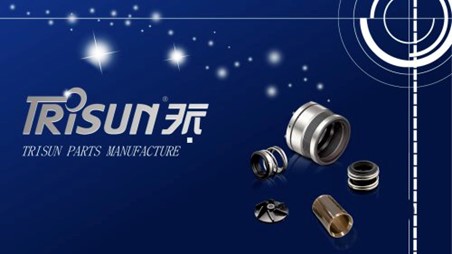
Industrial Seals Types
- Mechanical Seals
Mechanical seals are used in rotating machinery and pumps. They create a packed seal between rotating and stationary parts to control fluid leakages.
APV Pump Seal: These seal well in APV pumps for food processing, dairy, and drug applications.
Grundfos Seal: Applied in numerous Grundfos pumps, the seals provide efficiency in water treatment and industrial pumping systems.
Flygt Seal: Used on Flygt submersible pumps, the seals ensure watertight operation in wastewater treatment and drainage.
Applications include industrial pumps, compressors, and agitators in oil and gas, water treatment, and food processing.
- Agitation and Mixer Seals
Mixer agitator seals avoid leaks in blending and mixing processes, mainly where contamination-free and hygienic conditions must be provided in respective sectors. They also withstand higher pressures and aggressive chemicals.
Applications include drug synthesis, food and beverage, cosmetic manufacturing, and chemical processing.
- Lip Seals
Lip seals, also known as oil seals, contain lubricant and exclude contaminants from machine parts. They are used in automobiles and industrial applications with rotary motion.
Applications: Rotating shafts in industrial machinery, engines, and gearboxes.
- Cartridge Seals
Cartridge seals deliver a pre-assembled, easy-to-fit seal solution that reduces downtime and maintenance time. They find application in aggressive fluids and high-pressure systems.
Applications include Petrochemicals, power generation, and heavy machinery.
Applications of Industrial Seals
Prevents leakages: Seals prevent fluids, such as water, oil, and chemicals, from leaking out of rotating machinery.
Contamination prevention: Seals on food and drug companies regulate contamination, maintaining hygiene and security.
High-Performance Seals: endure higher pressures in reactors, compressors, and pumps.
Reduce wear and tear: Seals extend the lifespan of mechanical parts by minimizing surface degradation and friction.
Increased efficiency: Seals that are well-designed make industrial systems efficient by delivering maximum pressure and lubrication.
Industrial seal applications across significant industries
- Water and Wastewater Treatment
Seals, such as Grundfos seals and Flygt pump seals, are instrumental in water treatment facilities. They keep inefficient pumps running without leaks and reduce energy and maintenance costs.
- Chemical and Pharmaceutical Processing
Pharmaceutical mixers and reactors utilize high-performance mixer agitator seals to prevent unsafe leaks and maintain sterility.
- Food and Beverage Industry
Seals, such as APV pump seals, are widely used in food processing to maintain strict hygiene and safety measures and prevent contamination.
- Petrochemical Industry and Electricity Generation
Seals on industrial turbines, boilers, and high-pressure pumps ensure smooth operation of machinery in power and petrochemical facilities.
Selecting the appropriate industrial seal depends on several factors.
Compatibility: Ensure the seal material is compatible with the handled fluid (chemicals, oils, or water).
Pressure and Temperature Tolerance: Select seals appropriate to the desired working conditions.
Ease of maintenance: Apply cartridge seals where your process requires frequent seal replacement to prevent downtime.
Industry Regulations: Pharmacy and food processing require seals meeting the needs of the FDA and sanitation.
Durability and Life Span: Good-quality seals save long-term operating costs by preventing premature breakdown and wear.
In essence
Industrial seals are critical to machinery efficiency, safety, and lifespan in several industries. Whether you need an APV pump seal in food processing, a mixer agitator seal in chemical processing, or a Flygt pump seal in wastewater, having the correct seal offers maximum performance and less downtime. Do you require high-quality industrial seals?
Contact us today to acquire the perfect seal.
FAQs
1. What are the different types of industrial seals and their applications?
The main types of industrial seals include mechanical seals, mixer agitator seals, lip seals, and cartridge seals. Mechanical seals are commonly used in pumps and rotating equipment to control fluid leakage. Mixer agitator seals are designed for mixing and processing equipment, while lip seals retain lubricants and prevent contamination around rotating shafts. Cartridge seals offer a pre-assembled design that simplifies installation and maintenance. The appropriate seal depends on equipment type, operating conditions, and process fluid requirements.
2. How do you choose the right industrial seal for a specific application?
Choosing the right industrial seal requires evaluating the equipment type, shaft diameter, rotational speed, operating pressure, temperature, and process fluid properties. Material compatibility is particularly important when handling corrosive chemicals, abrasive fluids, or hygienic products. Maintenance requirements and industry-specific standards should also be considered. Selecting a seal based on actual operating conditions helps minimize leakage, premature wear, and equipment downtime.
3. What is the difference between mechanical seals, lip seals, and cartridge seals?
Mechanical seals use contacting or appropriately designed sealing faces to control leakage between rotating and stationary components. Lip seals use a flexible sealing lip to retain lubricants and exclude contaminants around rotating shafts. Cartridge seals are pre-assembled mechanical seal units that simplify installation and reduce the risk of assembly errors. Each type serves different equipment requirements and operating conditions.
4. Which industrial seals are commonly used in the food, pharmaceutical, and chemical processing industries?
Mechanical seals, APV pump seals, and mixer agitator seals are commonly used in food, pharmaceutical, and chemical processing equipment. APV pump seals are used in compatible food and beverage processing pumps, while mixer agitator seals support sealing requirements in mixing tanks and reactors. Chemical processing applications may require specialized seal materials to withstand corrosive fluids, temperature variations, and operating pressure. Seal selection should also consider applicable hygienic and regulatory requirements.
5. How do industrial seals help reduce equipment downtime and maintenance costs?
Industrial seals help reduce equipment downtime by preventing process fluid leakage, limiting contamination, and protecting rotating machinery from premature wear. Selecting the correct seal material and design for the operating environment reduces the risk of seal failure and unexpected replacement. Pre-assembled cartridge seals can also simplify installation and reduce maintenance time. Regular inspection and preventive maintenance further improve equipment reliability and service life.
Recent Posts

October 26, 2016
The Most Successful Engineering ContractorContact US
Product Information
Quantity
Unit
Piece
Support order samples, customization, wholesale direct, and complete payment. If the product you look for does not have corresponding customized content, pls fill out the form below to contact us, and we will reply ASAP.