Energy-Saving Opportunities in Industrial Pumping Systems
Nov 27, 2025
Energy efficiency is becoming a top priority for manufacturers as rising power costs and sustainability goals reshape the way facilities operate. Industrial pumping systems consume a significant portion of total plant energy, yet many inefficiencies go unnoticed. By applying modern engineering practices, smarter design, and proactive maintenance strategies, companies can reduce energy consumption while boosting overall reliability. This guide highlights the best energy-saving opportunities to help facilities optimize performance and cut operational costs.
Understanding Energy Use in Industrial Pumping Systems
Industrial pumping systems move fluids across chemical, petrochemical, manufacturing, water treatment, and oil & gas environments. Their efficiency directly impacts operating expenses, sustainability metrics, and equipment longevity.
Why Pumps Consume More Energy Than Expected
- Oversized equipment running far below optimal efficiency
- Incorrect pump selection for viscosity, temperature, or flow conditions
- Degraded internal components causing performance loss
- Poor system design leading to excessive frictional losses
- Inadequate maintenance resulting in wear and leakage
Facilities often operate pumps continuously, making even small inefficiencies costly over time. Optimizing systems offers fast ROI and long-term savings.
Key Energy-Saving Opportunities
Right-Sizing Pumps to Demand
Oversizing is one of the most common issues found in industrial pumping systems. A pump designed for maximum conditions rarely operates at its best efficiency point, wasting power and causing premature wear.
Best practices include:
- Conducting audits to match true operating conditions
- Using variable frequency drives (VFDs) to control speed
- Replacing oversized units with optimized alternatives
Working at the correct duty point significantly reduces energy consumption.
Upgrading Internal Pump Components
Internal components directly affect hydraulic performance. Wear increases friction, reduces flow, and forces the pump to consume more power.
Energy-saving upgrades include:
- High-efficiency pump impeller designs
- Specialized coatings to reduce drag
- Precision-engineered pump parts for longer service life
Better hydraulics mean improved flow at lower energy cost.
Improving Reliability Through Modern Seal Technology
Weak or outdated sealing systems create leakage, shaft friction, and energy loss. Modern sealing solutions help pumps maintain peak efficiency.
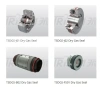
For compressors, a dry gas seal improves sealing performance with minimal friction.
For process pumps, support systems like a thermosiphon maintain stable lubrication and cooling—resulting in reduced wear, lower power draw, and longer component life.
Choosing Optimized Pump Designs
Pump technology plays a major role in energy performance. Selecting the correct design ensures long-term efficiency.
An ansi pump provides standardized, reliable performance ideal for chemical and petrochemical applications with consistent efficiency across varying process conditions.
Key selection recommendations:
- Choose models engineered for specific fluid properties
- Use low-NPSH designs to prevent cavitation
- Pair with premium-efficiency motors
Correct design selection can deliver immediate savings.
Optimizing the Entire Pumping System
Energy efficiency depends on the complete system, not just the pump itself. Piping layout, valves, and control methods all influence performance.
Opportunities for improvement:
- Reduce bends, restrictions, and pressure drops
- Replace throttling valves with variable-speed control
- Balance multiple-pump systems
- Improve suction conditions to prevent cavitation
Streamlined systems reduce load and stabilize pump efficiency.
Using Data, Sensors & Predictive Monitoring
Facilities are rapidly adopting digital technologies to improve pumping efficiency. Real-time monitoring uncovers hidden inefficiencies and prevents performance degradation.
Digital tools that drive savings:
- Condition monitoring sensors
- Energy consumption tracking
- AI-powered diagnostics
- Remote performance dashboards
Data-driven optimization improves reliability and energy use across pump systems.
Best Practices for Pump Efficiency
Efficiency starts with correct engineering design, fluid analysis, and selection of optimized components.
Industry experience helps identify failure trends such as imbalance, seal leakage, or impeller damage—all of which impact energy consumption.
Using proven equipment, certified performance data, and standardized designs ensures long-term reliability.
Routine maintenance, documentation, and transparent reporting ensure that improvements last and can be validated.
Industrial Pumps USA – Energy Efficiency Trends
The industrial pumps USA market is shifting toward sustainable, energy-efficient solutions supported by digital monitoring. Leading trends include:
- Higher adoption of VFD-controlled systems
- Replacement of legacy pumps with high-efficiency designs
- Use of corrosion-resistant materials to reduce lifecycle cost
- Integration of smart sensors for predictive maintenance
- Emphasis on total cost of ownership instead of initial price
Industries across the U.S. are targeting reduced energy consumption to stay competitive and environmentally compliant.
FAQs
1. How much energy do pumping systems consume in a typical facility?
Depending on the industry, ebara pumps can account for 20–60% of total electrical use.
2. What is the simplest upgrade to improve efficiency?
Adding VFDs and eliminating throttling can produce immediate reductions in energy use.
3. How often should pumps be audited for efficiency?
A full audit every 12–18 months is ideal, especially for continuous-duty systems.
4. Can digital monitoring reduce energy waste?
Yes. Predictive tools detect inefficiencies early, lowering both downtime and power use.
5. Do upgraded components make a noticeable difference?
Modern hydraulics, impellers, and seals significantly improve output while reducing energy consumption.
Ready to cut energy costs and boost pump performance?
Contact TrisunLtd today for engineered upgrades, high-efficiency components, and expert audits designed to optimize your pumping systems for maximum savings. Transform your operations—start now.

Recent Posts

October 26, 2016
The Most Successful Engineering ContractorContact US
Product Information
Quantity
Unit
Piece
Support order samples, customization, wholesale direct, and complete payment. If the product you look for does not have corresponding customized content, pls fill out the form below to contact us, and we will reply ASAP.