How single-vane non-clog impellers can aid in keeping lift stations running smoothly
Aug 19, 2025
08/18/2025 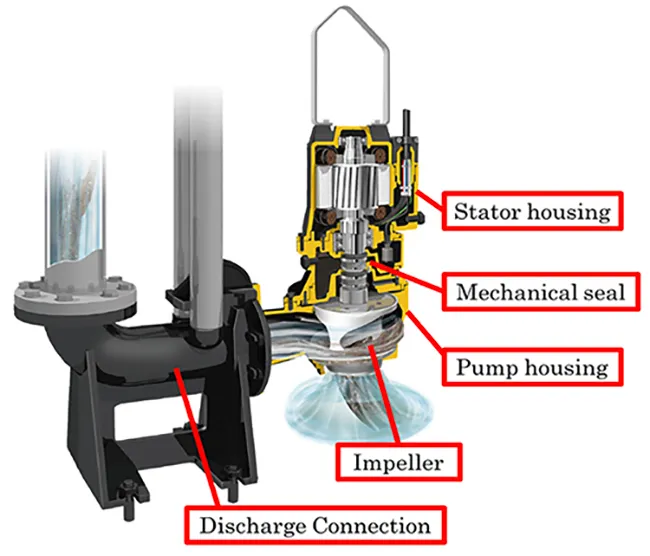
A clogged submersible pump can result in overcurrent, which in turn can damage the motor. Clogging will also cause poor pumping. The lift station (LS) is an important part of the infrastructure and is constantly in operation; if it stops operating, sludge and wastewater will flood into the surrounding environment. In the event of LS failure, maintenance engineers will usually rush to the site to extract the pump and remove the debris from the suction port. If the debris cannot be removed, the maintenance engineers must dismantle the pump to do so.
This process takes 1½ to 2 hours, including travel (depending on the area), and there are also other responsibilities involved such as paperwork, so the limit is probably around four sites per day, considering work-life balance. If maintenance staff only focus on emergencies, they will not be able to keep up with regular maintenance, such as replacing the oil, mechanical seals and O-rings, all of which is required to extend the life of the pump. Preventing premature product failure is vital. In the United States, a typical LS does not use any devices for removing debris in the wastewater, such as screens. This means that various solids, such as empty cans, plastic bottles, ropes, sanitary products and wet wipes, can accumulate in the LS. It is up to the pump manufacturers and maintenance companies to effectively deal with this debris.
Pump Structure & Impeller
This article will focus on the single-vane nonclog impeller, which is designed for passing debris. This impeller causes hardly any clogging at all due to its single flow path (Image 3). Image 1 shows the structure of a typical pump. Very little wastewater enters the motor chamber because the mechanical seal ring works together with the shaft while maintaining proper clearance. This is a standard sealing part for submersible pumps with high-speed rotary impellers. The contact surfaces wear out, so regular maintenance is required, but it is an excellent mechanical element. The motor chamber is designed to properly seal out wastewater. Parts such as the pump housing and impeller are important, as they are directly related to pump performance. In particular, the impeller is the key technical component. Impellers can be vortex, single-vane, double-vane, axial-flow or mixed-flow. Many manufacturers have cutter, chopper or grinder pumps, which have a suction plate to crush or cut debris. The suction plate blade is a consumable that needs to be replaced periodically.
Single-Vane Nonclog Impellers
Image 3 shows a single-vane nonclog impeller and wear ring. This impeller features high throughput and high hydraulic efficiency. The cross-section in Image 4 shows how the impeller consists of a single vane. The suction port has a spiral shape, so debris passes through it and exits from the discharge port. How do single-vane and double-vane impellers compare? There are many types of double-vane impellers that are used frequently in the pump industry. Image 2 lists the pros and cons of the two options.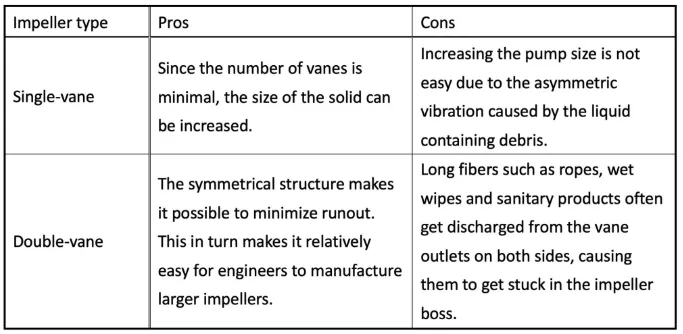
This brings up two questions:
- Can debris enter through the gap between the pump housing and the impeller and cause a clog?
- Does debris accumulate in the low-pressure area of the impeller boss?
The answers to these questions are as follows:
- Due to the insertion of the wear ring, the gap between the pump housing and the impeller is extremely small, and the main solids entering the LS—such as empty cans, plastic bottles, ropes, sanitary products and wet wipes—cannot pass through this gap. The structure also prevents fine debris such as hair and sand from accumulating on the back side of the impeller.
- The unique shape of the impeller prevents spiral flow from stagnating. The core consists of technology that passes debris without leaving it on the impeller boss. This flow is created by a single vane—no other vanes are involved.
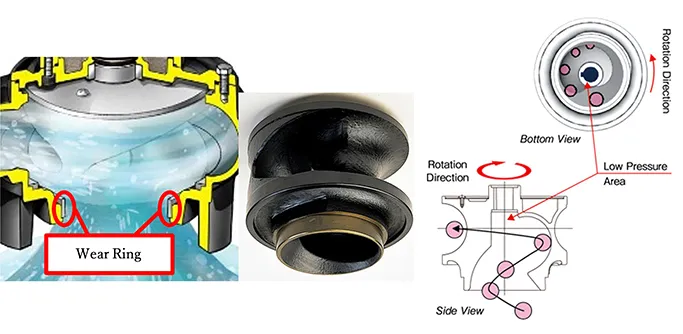
The wear ring is a consumable, but it can easily be replaced by flipping the pump housing over and replacing it using a flathead screwdriver and hammer. The vertical mounting design allows for easier and more efficient inspection and replacement of parts. The pump unit can be detached without removing the impeller from the motor. Together, these features reduce the workload of maintenance contractors significantly and support stable site operation.
Recent Posts

October 26, 2016
The Most Successful Engineering Contractor
Mar 05, 2026
What Is a Cartridge Mechanical Seal?
Jan 27, 2026
Carbon-Graphite Blistering in Mechanical Seal Faces
Dec 09, 2025
6 Key Considerations When Selecting a New Pump
Nov 22, 2025
The Role of NSF 61-Certified Packing & Gaskets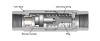

Oct 14, 2025
Pump Requirements in Food & Beverage ManufacturingContact US
Product Information
Quantity
Unit
Piece
Support order samples, customization, wholesale direct, and complete payment. If the product you look for does not have corresponding customized content, pls fill out the form below to contact us, and we will reply ASAP.