How to Extend the Life of Your Pump: Sealing Solutions for Ebara, Flygt, Lowara & APV
Jul 22, 2025
Pump systems are the backbone of industrial, commercial, and municipal operations—from water treatment and food processing to chemical manufacturing and HVAC systems. Downtime caused by seal failure or inefficient performance can lead to costly repairs, production delays, or even environmental risks. One of the most effective ways to extend the operational life of a pump is through smart sealing solutions.
In this guide, we explore how to improve efficiency and longevity by selecting the right pump seal,
upgrading to machined seals, and choosing compatible components for leading brnds like Ebara, Flygt, Lowara, and APV.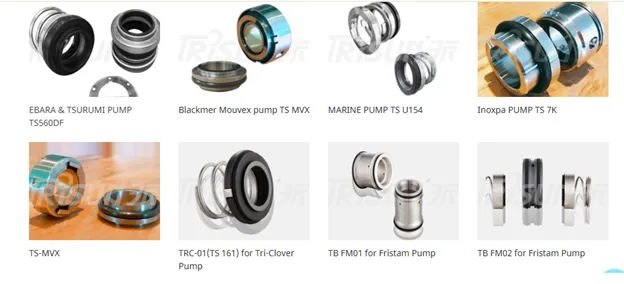
Why Sealing Matters in Pump Longevity
Seals are small but critical components in any pump system. They prevent fluid leakage, protect against contamination, and ensure stable pressure within the pump casing. When a seal fails, it can result in damage to internal components like bearings, shafts, and impellers—leading to premature failure or unplanned maintenance.
Common causes of seal failure include:
- Incorrect seal material for the fluid or temperature
- Poor alignment during installation
- Vibration or shaft deflection
- Chemical or thermal degradation
By understanding how different sealing technologies interact with specific pump designs, you can significantly improve uptime and reduce lifecycle costs.
Understanding Pump Seal Types
A pump seal is typically installed where the rotating shaft passes through the stationary pump housing. The two most common types are:
1. Standard Mechanical Seals
These are widely used for general-purpose applications and consist of a rotating seal face, stationary face, and elastomeric components. They are available in a variety of configurations depending on pressure, temperature, and fluid compatibility.
2. Machined Seals
A machined seal is custom-manufactured to fit the exact dimensions and tolerances of a specific pump. Unlike off-the-shelf solutions, machined seals are precision-engineered to offer superior reliability, especially in demanding environments or for pumps that operate continuously under heavy load.
Brand-Specific Sealing Considerations
Each pump manufacturer has unique design specifications, operating conditions, and performance goals. Let's explore sealing solutions and maintenance tips for the most popular brands: Ebara , Flygt , Lowara , and APV .
Ebara Pump: Industrial Strength with Stainless Steel Design
Ebara pumps are known for their high-efficiency designs, often constructed with stainless steel to handle aggressive fluids in industrial and commercial environments. Seals for Ebara systems must be capable of resisting corrosion while maintaining flexibility under fluctuating pressure and temperature.
Best practices:
- Choose seals with silicon carbide or tungsten carbide faces for durability
- Use Viton or EPDM elastomers for chemical compatibility
- Monitor the pump for cavitation and seal face wear during regular inspections
Flygt Pump Seal: Built for Wastewater and Solids Handling
Flygt pumps are submersible and typically used in wastewater treatment, dewatering, and industrial sludge applications. The Flygt pump seal must withstand not just corrosive environments but also abrasive solids and high solids loading.
Seal considerations:
- Dual mechanical seals are common, offering protection from both pumped media and the motor side
- Consider seals with hard faces like silicon carbide against silicon carbide for abrasive applications
- Keep pump housing clean to avoid debris buildup that can compromise sealing surfaces
Lowara Pump Seal: Reliable Solutions for Clean Water and HVAC Systems
Lowara pumps are widely used in clean water, pressure boosting, and HVAC applications. A Lowara pump seal typically operates in less aggressive environments, but long service life is still critical.
Recommendations:
- Use seals with carbon/ceramic face combinations for water applications
- Check for scale or sediment buildup that can damage seal faces
- Avoid dry running—Lowara pumps often rely on water for seal cooling
APV Pump Seal: Hygienic Precision for Food & Beverage Processing
APV pumps are used extensively in hygienic environments, including dairy, beverage, and pharmaceutical applications. An APV pump seal must be food-safe and compliant with strict sanitation standards.
Seal features to look for:
- FDA-approved materials like EPDM and PTFE
- Easy-to-clean, crevice-free designs
- Seals with self-cleaning or flushed configurations for CIP/SIP processes
When to Upgrade to Machined Seals
If you're experiencing frequent seal failures, excessive leakage, or difficulty finding exact replacements for legacy equipment, it may be time to switch to machined seals.
Benefits of upgrading:
- Perfect fit: Machined to exact pump specifications, reducing installation errors and wear
- Custom materials: Select materials best suited for fluid chemistry and system pressure
- Extended life: Greater durability under high-speed or abrasive conditions
Machined seals are ideal for demanding industries such as chemical processing, energy, or heavy-duty wastewater applications where standard seals fall short.
Tips to Extend Pump Seal Life
Regardless of the brand or type of seal, following these best practices can help you maximize the lifespan of your pump system.
Regular Inspections
- Look for leakage around the shaft or housing
- Check for shaft wobble or misalignment
- Inspect for seal face scoring or erosion
Clean System Operation
- Keep fluids clean and free of abrasives
- Avoid pumping air or gas pockets that can cause dry running
- Use filters or strainers where applicable
Proper Seal Installation
- Follow manufacturer instructions precisely
- Use installation tools to avoid damage to seal faces
- Ensure proper torque and alignment
Use of Compatible Materials
- Match elastomer and face material to fluid characteristics
- Consider operating temperature and chemical exposure when selecting seal components
Conclusion
The longevity of your pump system is closely tied to the quality and compatibility of your sealing solution. By choosing the right pump seal , whether standard or a machined seal , and understanding brand-specific needs—like those of Ebara , Flygt , Lowara , and APV —you can significantly reduce downtime, maintenance costs, and unexpected failures.
A proactive approach that includes regular inspections, high-quality components, and proper installation will ensure your pumps perform reliably for years to come. Whether you're upgrading your seals or maintaining a fleet of pumps across multiple applications, strategic sealing is one of the smartest investments you can make in system longevity.

Recent Posts

October 26, 2016
The Most Successful Engineering ContractorContact US
Product Information
Quantity
Unit
Piece
Support order samples, customization, wholesale direct, and complete payment. If the product you look for does not have corresponding customized content, pls fill out the form below to contact us, and we will reply ASAP.