How to Select the Right Dry Gas Seal for Compressors and Turbomachinery
Jan 31, 2026
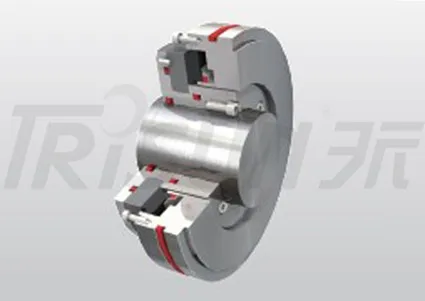
A dry gas seal is a high-precision mechanical seal designed to prevent gas leakage in compressors, pumps, and turbomachinery. Unlike traditional seals that rely on liquid lubrication, dry gas seals provide minimal friction, higher reliability, and superior efficiency—making them essential for critical applications in petrochemical, natural gas, and power generation industries. Selecting the right dry gas seal involves understanding operational demands, material compatibility, and seal design considerations.
1. Consider Operating Pressure and Speed
Dry gas seals must handle high shaft speeds and differential pressures without failure. For example, centrifugal compressors in natural gas processing operate at speeds exceeding 20,000 RPM. Choosing a seal rated for these conditions prevents excessive wear, thermal distortion, or leakage. Understanding pressure differentials ensures the seal faces maintain contact without excessive load.
2. Evaluate Gas and Fluid Compatibility
Seal materials must resist corrosion and chemical attack from the process gas. Carbon, tungsten carbide, and silicon carbide are common face materials, selected based on gas composition, temperature, and presence of condensables. For instance, in ammonia compression, selecting a chemically resistant material prevents seal degradation due to exposure to corrosive gases.
3. Decide Between Single and Tandem Seals
Single dry gas seals are suitable for non-hazardous gases, while tandem or double seals provide an additional layer of protection for toxic or flammable gases. In petrochemical plants, tandem seals with buffer gas systems reduce the risk of emissions and ensure compliance with environmental regulations.
4. Assess Shaft and Equipment Conditions
Proper alignment, shaft surface finish, and vibration control are critical for dry gas seal performance. Even minor shaft misalignment can cause seal face wear and early failure. Real-world cases show that upgrading shaft support and balancing in turbo compressors reduced seal failures by over 50%.
5. Consider Maintenance and Monitoring Requirements
Modern dry gas seals often include instrumentation to monitor face temperature, differential pressure, and vibration. This allows predictive maintenance and reduces unexpected downtime, enhancing reliability and lifecycle performance.
Conclusion
Selecting the right dry gas seal requires careful evaluation of operating conditions, material compatibility, seal type, and equipment health. Proper selection enhances compressor efficiency, minimizes leakage, and ensures long-term reliability in critical turbomachinery applications.
FAQs
1. What is a dry gas seal?
A dry gas seal is a non-lubricated mechanical seal designed to prevent gas leakage in compressors and turbomachinery.
2. Are dry gas seals suitable for high-speed compressors?
Yes, they are specifically designed for high-speed and high-pressure applications.
3. What materials are used for dry gas seal faces?
Common materials include carbon, tungsten carbide, and silicon carbide.
4. Can tandem dry gas seals prevent hazardous gas leaks?
Yes, tandem or double seals with buffer gas systems provide additional protection against leakage.
.webp?x-oss-process=image/resize,w_100/quality,q_100)
Recent Posts

October 26, 2016
The Most Successful Engineering ContractorContact US
Product Information
Quantity
Unit
Piece
Support order samples, customization, wholesale direct, and complete payment. If the product you look for does not have corresponding customized content, pls fill out the form below to contact us, and we will reply ASAP.