Understanding Failure Modes in Industrial Mixing and Agitation Systems
Nov 28, 2025
Industrial mixing and agitation systems play a critical role in chemical processing, pharmaceuticals, food production, mining, and water treatment. When these systems fail, production slows, maintenance costs spike, and safety risks increase. Understanding the most common failure modes is essential for improving reliability, extending equipment life, and reducing unplanned downtime.
Most mixer failures start at the seal, shaft, bearing, or impeller. These components face extreme loads, chemical exposure, high torque, and variable operating conditions. When equipment is not sized, maintained, or aligned correctly, failures occur quickly. This guide explains the primary failure modes and how to prevent them with smarter engineering and operational practices.
Seal Failures and Leakage Issues
Seal failure is one of the most frequent causes of downtime in mixing systems. A mixer agitator seal is exposed to product pressure, shaft runout, process temperature changes, and abrasive solids. When any of these conditions exceed design tolerances, leakage follows.
Common Causes of Seal Failure
• Thermal cycling that hardens or cracks elastomers
• Misalignment causing uneven seal-face wear
• Abrasive particles damaging the seal faces
• Chemical incompatibility with process fluids
• Excessive shaft deflection during mixing
Indicators of Seal Problems
• Visible product leakage
• Higher operating temperatures around the seal chamber
• Abnormal vibration or noise
• Increased motor load
• Drop in mixing efficiency
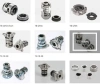
Incorrect seal type is a major contributor. Certain applications require specialized designs such as a metal bellows seal for high temperatures or aggressive chemical exposure. Meanwhile, a component seal may work well in general-purpose mixing but fail under high-pressure or high-viscosity loads.
Shaft Misalignment and Mechanical Fatigue
Shaft misalignment occurs when the drive, gearbox, motor, and mixing shaft are not properly aligned. Heavy-duty mixers operate under high torque and forces, so even small misalignments create significant stress.
Signs of Shaft-Related Issues
• Excessive vibration
• Premature bearing failure
• Seal face damage
• Abnormal motor current draw
• Shaft cracks or fatigue fractures
Causes of Shaft Failure
• Improper installation of drive components
• Bent shaft due to overload
• Impeller imbalance
• Operating outside design speed
• Sudden product density changes
Over time, misalignment leads to bending forces that crack the shaft, destroy seals, and reduce overall system stability.
Bearing Wear and Lubrication Problems
Bearings support the mixer shaft and maintain smooth rotation. When bearings degrade, the entire system becomes unstable.
How Bearings Fail
• Inadequate lubrication
• Contaminated oil or grease
• Misalignment pushing loads into the bearing races
• Product ingress into the bearing chamber
• Excessive axial or radial loads
Warning Signs
• Noise or grinding
• Excessive temperature rise
• Vibration spikes
• Reduced mixer speed
Bearing failure accelerates system-wide breakdowns and often leads directly to downtime.
Impeller Problems and Mixing Instability
The impeller is the heart of the mixer and must be matched to tank geometry, viscosity, shear requirements, and mixing objectives. When the impeller is incorrectly sized or damaged, it cannot maintain stable flow patterns.
Common Impeller Failures
• Blade erosion from abrasive solids
• Cavitation damage
• Corrosion from aggressive chemicals
• Blade breakage due to mechanical shock
• Imbalance caused by product buildup
Impeller issues create hydrodynamic instability, generating vibration that impacts seals, bearings, and the shaft.
The Root Causes Behind Mixer Failure
Industrial failures generally fall into four categories. Preventing each category significantly improves uptime and reduces maintenance cost.
Thermal Failures
• Rapid temperature cycling
• High batch-temperature swings
• Incompatible elastomers or metals
• Incorrect cooling or heating design
Chemical Failures
• Corrosion from aggressive media
• Chemical attack on elastomers
• Incorrect metallurgy selection
• Loss of lubricity between seal faces
Mechanical Failures
• Over-torqued impellers
• Sudden viscosity spikes
• Unbalanced loads
• Shaft bending and fatigue
Operational Failures
• Running the mixer dry
• Overfilling or underfilling the tank
• Changing product formulas without recalibration
• Incorrect mixing speed or cycle durations
Collectively, these issues contribute to early breakdowns such as vibration instability, bearing wear, shaft fracture, and process mixer seal failure.
System-Level Causes That Accelerate Mixer Wear
Mixer failures rarely occur due to a single cause. Most are the result of cumulative system stresses.
Poorly Controlled Process Conditions
Changes in viscosity, temperature, batch size, or solids concentration can overload the mixer without warning.
Inadequate Material Selection
Choosing the wrong materials exposes mixer agitator seals and impellers to chemical attack or abrasion.
Insufficient Preventive Maintenance
Cycle-based maintenance is essential for seals, bearings, and gear drives.
Improper Equipment Sizing
Mixers sized for low-viscosity fluids fail quickly when used in high-torque applications.
Vibration Mismanagement
Unaddressed vibration affects seals, bearings, and shaft integrity.
A structured reliability approach dramatically reduces these risks.
Regular inspections, data logging, and condition monitoring confirm equipment health and reduce uncertainty.
FAQs
1. What is the leading cause of mixer failure?
Seal leakage is the most common cause of mixer failure, often resulting from chemical incompatibility, thermal cycling, shaft runout, or improper selection of a component seal for the application.
2. Why do mixer shafts bend or crack?
Excessive torque, misalignment, and mechanical fatigue cause bending stresses that lead to fractures.
3. How can I reduce vibration in my mixer?
Balance the impeller, align the shaft, maintain proper lubrication, and match impeller size to batch conditions.
4. What causes bearings to wear out early?
Contaminated lubrication, misalignment, and excessive loads are the primary contributors.
5. How often should seals be inspected?
Inspections should be performed at every maintenance cycle or when temperature, vibration, or leakage increases.
Conclusion
Industrial mixing and agitation systems fail for predictable reasons: seal issues, shaft misalignment, bearing wear, and impeller damage. Implementing a proactive reliability program—supported by the right sealing technology, including mechanical seals and dry gas seals where applicable—significantly reduces unplanned downtime, improves operational safety, and extends equipment life.
Need expert support in preventing mixer failures?
Contact our engineering team today for a customized reliability assessment and optimized seal selection—mechanical or dry gas—tailored to your specific mixing system and process conditions.
Recent Posts

October 26, 2016
The Most Successful Engineering ContractorContact US
Product Information
Quantity
Unit
Piece
Support order samples, customization, wholesale direct, and complete payment. If the product you look for does not have corresponding customized content, pls fill out the form below to contact us, and we will reply ASAP.