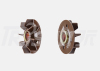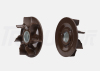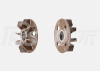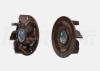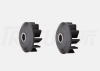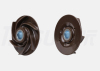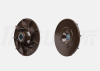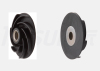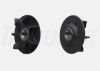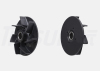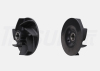
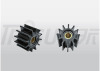
Pump Impellers
TRISUN pump impellers for centrifugal pumps are precision-engineered to deliver efficient fluid flow, reliable hydraulic performance, and long service life in demanding industrial applications. Designed for centrifugal pump systems, our OEM and aftermarket impellers are manufactured from corrosion-resistant and wear-resistant materials to withstand challenging operating environments in chemical processing, oil and gas, water and wastewater treatment, and heavy-duty manufacturing.
Available in closed, semi-open, and open impeller designs, TRISUN’s custom and replacement impellers are precision-balanced to support consistent flow rate, pressure, pump efficiency, and smooth operation while minimizing vibration and premature wear. Whether you require a centrifugal pump impeller replacement, custom hydraulic impeller, or OEM-equivalent component, our precision-engineered solutions help improve pump reliability, reduce maintenance and downtime, and extend equipment service life.
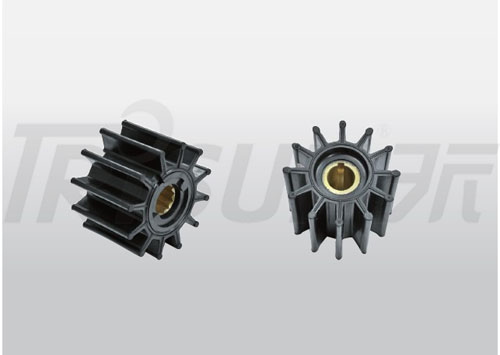
Technical Specifications
| Specification | Details |
|---|---|
| Product Type | Industrial Pump Impeller |
| Impeller Types | Closed, Semi-Open, Open, Vortex, Mixed Flow, Axial Flow |
| Manufacturing Process | Investment Casting, Sand Casting, CNC Machining, Precision Machining |
| Impeller Diameter | Custom sizes as per OEM specifications |
| Bore Size | Custom bore sizes available |
| Number of Vanes | Customized based on application requirements |
| Rotation Direction | Clockwise (CW) or Counterclockwise (CCW) |
| Dynamic Balancing | ISO 1940 G2.5 / G6.3 (as required) |
| Dimensional Tolerance | Up to ±0.01 mm |
| Surface Finish | Ra 0.2–1.6 μm |
| Operating Temperature | -50°C to 450°C (depending on material) |
| Pressure Rating | Suitable for low, medium, and high-pressure pumping applications |
| Corrosion Resistance | Excellent for chemical, marine, and wastewater applications |
| Wear Resistance | High resistance to abrasive slurries and solid particles |
| OEM Compatibility | ANSI Pump, API 610, ISO 2858, Grundfos, Ebara pump, and custom pump models |
| Quality Standards | ISO 9001 Certified Manufacturing |
| Inspection & Testing | Dynamic Balancing, CMM Inspection, Material Certification, Dimensional Inspection |
| Custom Manufacturing | Available from drawings, samples, or OEM part numbers |
Material Options
| Material Category | Material Grade | Key Properties | Typical Applications |
|---|---|---|---|
| Stainless Steel | SS304 | Good corrosion resistance, durable, cost-effective | Water pumps, food processing, general industrial applications |
| Stainless Steel | SS316 | Superior corrosion resistance, excellent chemical compatibility | Chemical processing, marine, wastewater treatment |
| Stainless Steel | SS316L | Low carbon, improved weldability, corrosion resistant | Pharmaceutical, food & beverage, chemical plants |
| Stainless Steel | SS410 | High strength and wear resistance | General industrial pumps, water pumps |
| Stainless Steel | SS420 | High hardness and abrasion resistance | Slurry pumps, abrasive applications |
| Duplex Stainless Steel | Duplex 2205 | High strength, excellent chloride corrosion resistance | Offshore, seawater, desalination plants |
| Duplex Stainless Steel | Super Duplex 2507 | Outstanding corrosion and pitting resistance | Oil & gas, marine, chemical processing |
| High Chrome Alloy | High Chrome White Iron | Excellent abrasion and erosion resistance | Slurry pumps, mining, mineral processing |
| Cast Iron | ASTM A48 Class 30/40 | Economical, good machinability | Water pumps, HVAC systems, irrigation |
| Ductile Iron | ASTM A536 | High tensile strength and impact resistance | Municipal water systems, industrial pumps |
| Bronze Alloy | Nickel Aluminum Bronze | Excellent seawater corrosion resistance | Marine pumps, shipbuilding, desalination |
| Bronze Alloy | Phosphor Bronze | Good wear resistance and low friction | Cooling water pumps, general engineering |
| Nickel Alloy | Monel 400 | Excellent resistance to seawater and acids | Marine, chemical processing, offshore |
| Nickel Alloy | Hastelloy C276 | Outstanding resistance to aggressive chemicals | Acid transfer, chemical processing plants |
| Nickel Alloy | Inconel 625 | High-temperature and corrosion resistance | Power generation, petrochemical, offshore |
| Titanium | Grade 2 Titanium | Lightweight with exceptional corrosion resistance | Seawater, desalination, chemical industries |
| Ceramic | Silicon Carbide (SiC) | Extremely hard, excellent wear resistance | Abrasive fluids, mechanical seal applications |
| Carbide | Tungsten Carbide | Superior hardness and wear resistance | High-abrasion slurry pumps, mining |
| Engineering Plastic | PEEK | High chemical resistance and lightweight | Chemical transfer pumps, pharmaceutical applications |
| Engineering Plastic | PTFE | Excellent chemical resistance, non-stick | Corrosive chemical pumps |
| Engineering Plastic | UHMWPE | High impact and abrasion resistance | Slurry handling, wastewater applications |
Types of Pump Impellers
We supply a complete range of industrial impellers to match different pump designs and fluid handling requirements:
• Open Hydraulic Impeller for Slurry and Wastewater Applications
-
Ideal for wastewater and slurry applications
-
Handles suspended solids and viscous fluids
-
Easy maintenance and clog-resistant design
• Semi-Open Impeller for Abrasive Fluid Handling
-
Suitable for moderate solids content
-
Improved efficiency compared to open designs
-
Common in industrial process pumps
• Closed Hydraulic Impeller for High-Efficiency Water Transfer
-
High-efficiency design for clean liquids
-
Superior pressure generation and head performance
-
Used in water supply, HVAC, and chemical pumps
• Vortex / Non-Clog Impeller for Solids-Handling Pumps
-
Designed for heavy solids and fibrous media
-
Reduces blockage in sewage and slurry pumps
Not sure which hydraulic impeller type fits your application? Our engineering team can assist with technical selection.
Key Features
1. Precision-balanced for vibration-free operation
2. Optimized vane geometry for improved flow dynamics
3. Reduced cavitation and turbulence
4. High hydraulic efficiency across varying flow rates
5. Compatible with ANSI, API, and custom pump models
6. Available as OEM replacement Hydraulic impellers
Our impellers are engineered to maintain stable pump head, pressure output, and GPM performance, even in high-demand industrial systems.
Why Choose TRISUN Impellers? Performance, Efficiency & Cost Comparison
| Feature | TRISUN Impellers | Standard Impellers |
|---|---|---|
|
Design & Type |
Available in open, semi-open, closed, vortex, cutter, and screw types tailored to application needs |
Typically limited to open, semi-open, or closed types |
|
Solids Handling |
Specific types like open, vortex, and cutter are suitable for solids, fibrous, or slurry fluids |
Open and semi-open can handle some solids; closed impellers are not ideal for solids |
|
Efficiency |
High efficiency in closed and screw types; balanced with solids handling in other designs |
Closed types offer higher efficiency; open and semi-open types are less efficient |
|
Maintenance & Inspection |
Open and semi-open designs allow easier access for cleaning and inspection |
Open is easiest to maintain; closed types require more effort and disassembly |
|
Cavitation & Vibration |
Optimized geometry helps reduce cavitation and vibration |
Performance varies; closed types sensitive to wear and clearance issues |
|
Application Suitability |
Suitable for a wide range of applications—HVAC, wastewater, food, pharma, chemicals, and slurries |
Best suited to general-purpose applications depending on the fluid type |
|
Customization |
Available in custom sizes, vane designs, and materials to match specific duties and fluid properties |
Generally available in standard sizes and material configurations |
Industrial Applications of Impellers in Oil & Gas, Chemical, and Water Treatment
A high-quality impeller is a critical component in centrifugal pumps and fluid handling systems. It converts motor energy into fluid movement, ensuring efficient flow, pressure generation, and system reliability. Precision-machined hydraulic impellers from Trisun are designed for demanding industrial environments where durability, corrosion resistance, and hydraulic efficiency are essential for long-term pump performance.
1. HVAC Circulation Systems Using High-Efficiency Centrifugal Impellers
In HVAC circulation systems, High efficiency impellers maintain smooth and energy-efficient fluid movement within heating and cooling loops. These impellers are commonly used in centrifugal and inline pumps to support chilled water circulation, hot water distribution, and temperature control systems in commercial and industrial buildings.
2. Water and Wastewater Treatment Pumps for Fluid Transfer and Sludge Handling
These impellers play a vital role in water treatment and wastewater management systems. They are used in pumps designed for clean water transfer, filtration processes, and sludge handling operations. Durable impeller designs help maintain consistent flow rates and reliable performance even in demanding wastewater environments.
3. Chemical Processing and Industrial Fluid Handling Pump Applications
In chemical processing industries,These impellers must withstand corrosive fluids, aggressive chemicals, and continuous operating conditions. Precision-machined impellers support optimal flow dynamics in chemical transfer pumps, dosing pumps, and industrial fluid processing systems where efficiency and chemical resistance are essential.
4. Agricultural Irrigation and Water Distribution Pump Systems
These impellers are widely used in agricultural irrigation systems to boost water flow and pressure across large farming areas. They support drip irrigation, sprinkler systems, and groundwater pumping applications that require reliable performance during long operating cycles.
5.Fire Protection and Emergency Water Pump Systems
In firefighting and emergency water supply systems, These impellers ensure consistent pressure and rapid water delivery when it is most critical. Fire pump assemblies rely on high-performance impellers to maintain stable flow rates and dependable operation during emergency response situations.
Trisun’s precision-engineered pump rotors deliver reliable hydraulic performance, improved pump efficiency, and long service life, making them suitable for a wide range of industrial fluid handling applications.
Precision-engineered Impeller Installation and Maintenance Guide
Proper installation and maintenance of fluid-handling component are essential for ensuring efficient fluid transfer, reduced equipment wear, and long service life in centrifugal pump systems. TRISUN Precision-engineered impellers are engineered for durability and performance in industrial, commercial, and fluid handling applications. Following correct installation procedures and routine maintenance practices helps prevent vibration, leakage, and premature pump failure.
Step 1: Pump Safety Procedures Before Impeller Installation and Maintenance
Before installing or replacing a centrifugal impeller, always follow essential pump safety procedures.
-
Ensure the pump system is completely powered off before starting maintenance.
-
Disconnect the electrical supply to prevent accidental startup during installation.
-
Wear proper personal protective equipment such as safety gloves, goggles, and protective clothing.
-
Confirm the pump is fully depressurized before opening the pump housing.
Step 2: Inspecting Pump Shaft, Mechanical Seal, and Wear Ring Components
Careful inspection of pump components is important before installing a new impeller.
-
Examine the pump shaft for signs of corrosion, scoring, or excessive wear.
-
Inspect mechanical seals, wear rings, and bearings for damage or misalignment.
-
Check the pump casing and volute for debris, sediment buildup, or surface damage.
-
Clean all mating surfaces to ensure accurate alignment and a secure impeller fit.
Step 3: Proper Pump Shaft Lubrication and Impeller Alignment for Smooth Operation
Correct lubrication and alignment help prevent vibration and ensure optimal pump efficiency.
-
Apply a suitable lubricant to the pump shaft to allow smooth installation of the impeller.
-
Lightly lubricate rubber components such as O-rings, gaskets, or sealing elements.
-
Ensure the impeller hub is properly aligned with the pump shaft and keyway.
-
Avoid excessive lubrication, which can attract dirt or contaminants.
Step 4: Installing the Centrifugal fluid-handling component Correctly for Balanced Performance
Proper installation is critical to maintaining hydraulic balance and pump performance.
-
Carefully slide the impeller onto the shaft while aligning the keyway or locking mechanism.
-
In multi-stage centrifugal pumps, install each impeller in the correct sequence and orientation.
-
Avoid forcing the impeller onto the shaft, as this can cause misalignment or mechanical seal damage.
-
Verify the impeller rotates freely without obstruction.
Step 5: Reassembling the Pump Housing, Casing, and Sealing Components
After installing the impeller, reassemble the pump housing and sealing components carefully.
-
Reattach the pump casing, covers, and fasteners while tightening bolts evenly.
-
Ensure all O-rings, gaskets, and seals are correctly seated before final assembly.
-
Confirm the pump shaft and impeller rotate smoothly by hand.
-
Check that all components are properly aligned to prevent vibration or leakage.
Step 6: Pump System Start-Up, Flow Testing, and Performance Verification
Once installation is complete, perform system start-up and operational testing.
-
Start the pump gradually to avoid sudden hydraulic shock.
-
Monitor for unusual vibration, abnormal noise, or fluid leakage.
-
Check that flow rate, pressure, and system performance meet operational specifications.
-
Inspect the pump after initial operation to confirm stable performance.
Preventive Maintenance Tips to Extend Impeller Lifespan
Regular maintenance ensures peak performance and prevents unplanned downtime:
| Task | Frequency | Notes |
|---|---|---|
|
Visual inspection for wear or damage |
Every 3–6 months |
Check blades, shaft, and casing for cracks, corrosion, or debris |
|
Clean impeller and volute |
Every 6 months |
Remove any buildup that may affect performance |
|
Check alignment and clearance |
Every 6 months |
Misalignment leads to vibration and wear |
|
Replace worn impellers |
As needed |
Replace if blade erosion or imbalance occurs |
|
Lubrication check |
During servicing |
Ensure shaft and seal lubricants are adequate |
Signs Your Pump Impeller Needs Replacement or Repair
· Reduced flow or system efficiency
· Vibration or unusual noises during operation
· Corrosion, cracks, or pitting on impeller blades
· Excessive leakage from the pump
How to Select the Right Precision-engineered Impeller for Your Flow Rate and Application
Factors to consider when choosing a Precision-engineered impeller:
1. Pump Type: Centrifugal, submersible, or booster.
2. Material Compatibility: Stainless steel, bronze, or engineered polymers depending on the fluid.
3. Operating Conditions: Temperature, pressure, and abrasive content of fluids.
4. Impeller Size & Stage: Match diameter, blade type, and number of stages for your pump.
Industries That Rely on TRISUN Industrial Impellers
· Water & Wastewater Treatment: Efficient flow handling in clean and sludge water systems.
· Chemical Processing: Resistant to aggressive acids, alkalis, and solvents.
· Food & Beverage: Sanitary designs compatible with hygienic processing.
· Mining & Minerals: High-abrasion slurry applications.
· HVAC & Power Generation: Reliable in circulation and cooling systems.
Expert Support and Ordering
TRISUN Ltd offers:
· Guidance on correct impeller selection.
· Compatibility checks with existing pump models.
· Worldwide delivery and after-sales support.
Contact TRISUN Ltd today to choose the perfect hydraulic impeller for your system.
Frequently Asked Questions
What is the main function of an impeller in a pump?
A pump impeller is the rotating component of a centrifugal pump that transfers mechanical energy from the motor to the pumped fluid. As the impeller rotates, it increases the fluid’s velocity and pressure, generating the hydraulic energy required to move fluid through pipelines and pumping systems. Impeller design directly affects flow rate, pump head, hydraulic efficiency, energy consumption, and overall pump performance.
What materials are TRISUN pump impellers made from?
TRISUN pump impellers are manufactured from stainless steel, bronze, and engineered plastics, with material selection based on the pump application, fluid characteristics, operating conditions, and corrosion requirements. These materials provide properties such as corrosion resistance, durability, mechanical strength, and long service life for demanding industrial fluid-handling applications.
Are TRISUN impellers compatible with multiple pump brands?
Yes, TRISUN manufactures precision-engineere impellers and replacement impellers for multiple pump applications and leading pump brands, including Armstrong, Ebara, and ANSI-standard pumps. Proper dimensional and hydraulic compatibility helps ensure reliable fitment, efficient fluid flow, and consistent centrifugal pump performance across different pumping systems.
How do I choose the right impeller for my pump?
Choosing the right centrifugal impeller depends on the pump model, fluid type, required flow rate, pump head, operating pressure, temperature, fluid viscosity, and presence of solids or abrasive particles. The impeller type and material should match the pump's hydraulic requirements and operating environment to achieve proper flow performance, energy efficiency, wear resistance, and service life. TRISUN can also provide technical support for selecting a suitable OEM or replacement impeller.
What is the difference between open, semi-open, and closed impellers?
The main difference between open, semi-open, and closed pump impellers is their vane configuration and suitability for different fluid-handling conditions. Open impellers are commonly used for fluids containing solids, suspended particles, or slurry because their design can reduce clogging. Semi-open impellers provide a balance between hydraulic efficiency and solids-handling capability, while closed impellers generally provide higher efficiency for clean-fluid applications. Selecting the appropriate impeller design depends on the fluid characteristics, solids content, flow requirements, pump design, and operating conditions.