How to Select an Industrial Heat Exchanger That Meets Your Process Requirements
Nov 18, 2026
A heat exchanger transfers heat between liquids or gases, keeping machines and industrial processes at the right temperature.
In industrial plants and factories, heat exchangers heat or cool process liquids and save energy. The wrong one can mean poor cooling of the process fluid, higher energy costs and more maintenance.
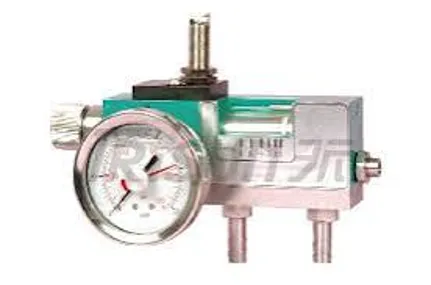
Common types of heat exchangers
The shell-and-tube heat exchanger has a bundle of tubes inside a larger shell. One liquid flows through the tubes, and the other flows around them. It’s used in chemical plants, refineries and power plants.
Plate heat exchangers use metal plates, with a different liquid flowing on each side so heat passes between them. They’re widely used in food processing and water treatment.
Air-cooled heat exchangers use fans to cool a liquid or gas. They suit sites with limited cooling water.
What should you check before buying?
Check these before you buy a heat exchanger.
1. Working temperature and pressure
If the fluids run at extreme temperatures, the equipment must be designed for them. The same goes for pressure.
2. Heat transfer needs
Work out how much heat needs to be transferred. Share the flow rate and the required inlet and outlet temperatures with the supplier.
3. Material
The most suitable material depends on the liquid or gas in your function. Some fluids corrode or damage certain metals, so ensure the material with the supplier.
4. Cleaning and repairs
Think about how easy the unit is to clean and repair. Ask how long routine maintenance takes and which spare parts are available.
Don’t overlook pumps and pump parts
A heat exchanger is one part of a larger system. Pumps and other components move liquids through the pipes and equipment, so pump parts must also suit the working conditions.
A pump impeller and a pump seal are two important parts that keep a pump working properly.
When you buy a Grundfos seal, give the supplier the pump model and size so they can identify the correct product. The same care applies to other pump parts.
At Trisun, we supply sealing products and pump parts for industry. We can help buyers check a mechanical seal, metal bellows seal or pump seal for their equipment, and we supply pump seals made for Grundfos pumps to complete a pumping system. We support both OEM replacement and aftermarket requirements, and we can help with pump seal cross-reference by reviewing your equipment model, seal dimensions, shaft size and operating conditions.
Talk to Trisun about your pump seals and parts
Frequently asked questions
What is the best heat exchanger for industry?
It depends on the job. Shell-and-tube heat exchangers are commonly used for high-pressure work, and plate heat exchangers suit places with limited space.
How do we select a proper pump impeller?
Consider the flow, the liquid and the pump type before you choose.
How do we pick the correct Grundfos seal?
Share the pump model, seal size and working details, and we can check whether the Grundfos seal is appropriate.
What is the difference between a metal bellows seal and a mechanical seal?
A mechanical seal prevents leaks around a pump shaft. A metal bellows seal is a mechanical seal with a metal bellows. The right pump seal depends on the pump type and the process fluid.
Recent Posts

October 26, 2016
The Most Successful Engineering ContractorContact US
Product Information
Quantity
Unit
Piece
Support order samples, customization, wholesale direct, and complete payment. If the product you look for does not have corresponding customized content, pls fill out the form below to contact us, and we will reply ASAP.