Pump Seal vs. Pump Sleeve: Key Differences and When to Use Each
Sep 11, 2025
Let us understand the difference: a pump seal is engineered to stop the leakage, whereas a pump sleeve is to protect the shaft. However, it becomes critical to use it with a solid understanding of when to use each and why. This approach helps you avoid unnecessary downtime and costly repairs.
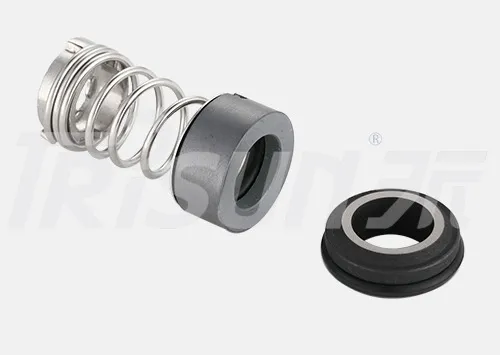
What Is a Pump Seal?
In an Armstrong pump, the material used is durable, such as carbon, ceramic, or silicon carbide, to withstand different operational environments. While in an Ebara pump, the seals are designed for both efficiency and reliability. This mechanism ensures that the working fluid remains within the system.
Thus, the pump seals act as a defence system against leakages.
Understanding a Pump Sleeve
What are the key differences?
1. Function:
- Pump seal- prevents leakage
- Pump sleeve- protects the shaft
- Pump seal: placed at the shaft exit
- Pump sleeve: installed along the shaft itself
- Pump seal: soon due to wear
- Pump sleeve: lasts longer but needs frequent inspection
- Pump seal: interacts with auxiliary equipment, like a compressor control valve
- Pump sleeve: purely mechanical protection
1. If your system struggles with leakage issues, focus on upgrading the pump seal—for example, moving to a cartridge seal in an Armstrong pump.
2.If your pump shaft shows signs of erosion or scoring, that's where a pump sleeve comes in. It lengthens the shaft's life and makes future maintenance cheaper and easier.
3. In demanding pumps, such as Ebara pumps, both seals and sleeves are critical to long-term reliability, especially when handling aggressive fluids.
So, now you know. If you are working on an Armstrong pump seal next time, consider both components as a team that protects your system efficiently and leak-free.
And you are looking for reliable replacements. In that case, Trisun Ltd offers a full range of pump seals and other parts that are compatible with leading brands. We design products that deliver durability, affordability, and performance.

.webp?x-oss-process=image/resize,w_100/quality,q_100)
Recent Posts

October 26, 2016
The Most Successful Engineering ContractorContact US
Product Information
Quantity
Unit
Piece
Support order samples, customization, wholesale direct, and complete payment. If the product you look for does not have corresponding customized content, pls fill out the form below to contact us, and we will reply ASAP.