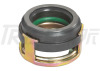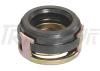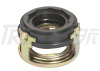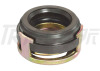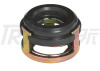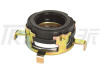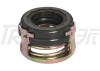
Premium Compressor Control Valve
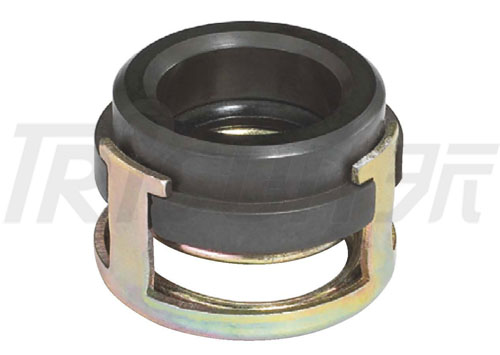
Engineered for precise pressure control, the Trisun Compressor Control Valve ensures reliable air and gas flow regulation across a wide range of industrial compressor applications. Suitable for HVAC systems, chemical processing plants, and heavy industrial machinery, it helps reduce energy consumption, minimize downtime, and extend equipment service life. Its dependable performance makes it a trusted compressor control solution for demanding industrial environments.
Key Features
Precise flow regulation
- Maintains stable pressure levels and consistent airflow across industrial compressor systems.
- Reduces operational fluctuations in air compressors, HVAC compressor units, and process gas systems.
- Improves overall compressor efficiency and smooth system performance.
High durability for heavy-duty applications
- Built with high-strength alloys and industrial-grade materials for long-term reliability.
- Performs consistently in high-pressure air compressors, gas compressors, and continuous-duty operations.
- Reduces the risk of premature valve failure and unplanned equipment downtime.
Energy-efficient design
- Optimises airflow dynamics to reduce energy losses in compressed air systems.
- Improves pressure stability, supporting lower industrial energy consumption and operational costs.
Wide compressor compatibility
- Compatible with rotary screw, reciprocating, centrifugal, and industrial air compression systems.
- Suited to OEM manufacturers, maintenance engineers, and industrial equipment upgrades.
Corrosion-resistant construction
- Withstands moisture, chemical exposure, and harsh conditions in oil & gas, chemical processing, and HVAC.
- Corrosion-resistant coatings extend valve life and maintain reliable compressor performance.
Easy installation and maintenance
- Designed for quick installation and straightforward replacement in existing compressor systems.
- Simplifies servicing, reduces installation time, and minimises compressor downtime.
Technical Specifications
| Specification |
Details |
|---|---|
|
Valve Type |
Compressor Control Valve / Air Compressor Valve |
|
Material Options |
Stainless Steel 304 / 316, Corrosion-Resistant Alloys, Hardened Steel |
|
Pressure Range |
Add actual pressure rating, eg, 0–180 PSI, 0–250 PSI |
|
Operating Temperature Range |
Add operating temperature values, eg, -10°C to 180°C |
|
Connection Type |
Threaded / Flanged / Custom OEM connections |
|
Flow Capacity (Cv Rating) |
Add your Cv value or flow rate capacity |
|
Valve Operation |
Pneumatic/Mechanical/Solenoid-Controlled |
|
Seal Type |
Nitrile (NBR), Viton (FKM), EPDM, or custom seals |
|
Compatibility |
Rotary Screw Compressors, Piston Compressors, Industrial Air Compressors |
|
Control Method |
Pressure Regulation, Load/Unload Control, Airflow Modulation |
|
Applications |
HVAC Systems, Industrial Pneumatics, Gas Compression, Manufacturing Plants |
|
Maintenance Interval |
Add suggested time frame eg, 6–12 months or as per usage |
|
Certifications |
ISO, CE, ANSI compliance (add based on product) |
|
Custom Availability |
Size, material, seal type, flow rate, connection type, OEM branding |
Why Choose a Compressor Control Valve — Performance, Efficiency & Lifespan
Trisun industrial compressor valves are designed for reliable pressure control and consistent performance in industrial air compressors, gas compression systems, and process applications. They combine application-focused engineering, quality materials, and durability to support demanding and continuous-duty compressor operations.
Enhanced compressor performance
- Maintains stable airflow and pressure regulation across industrial air compressor systems.
- Improves operational efficiency and reduces unexpected equipment downtime.
Lower energy costs
- Optimised airflow management reduces power consumption in compressed air systems.
- Improved pressure control directly lowers operational costs over time.
Extended component lifespan
- Prevents pressure fluctuations and airflow imbalance that wear down ANSI pumps, seals, and bearings.
- Protects compressor components, extending overall equipment service life.
Versatile compatibility
- Works with reciprocating, rotary screw, and centrifugal compressor types.
- Suited to manufacturing, HVAC, and industrial air compression applications.
In summary, Trisun industrial compressor valves are designed for reliable pressure control, durability, and consistent performance in air compression, gas compression, and process applications. Their application-focused design and quality-oriented manufacturing make them suitable for demanding and continuous-duty compressor systems.
How Compressor Valves Support Industrial Operations?
Trisun compressor valves are used across industries where precise airflow regulation, pressure control, and compressor efficiency are critical to safe, reliable operations.
HVAC and refrigeration systems
- Regulates refrigerant flow and maintains stable pressure in commercial and industrial HVAC units.
- Ensures optimal temperature control and energy-efficient performance in air conditioning compressor systems.
Automotive air conditioning compressors
- Manages compressor pressure and refrigerant flow in vehicle air conditioning systems.
- Delivers consistent cooling performance and efficient compressor operation in passenger vehicles.
Manufacturing and pneumatic equipment
- Regulates compressed air supply to pneumatic tools, automation systems, and production machinery.
- Maintains stable air pressure for improved equipment performance and production efficiency.
Oil and gas — process gas flow regulation
- Controls gas flow and pressure in industrial gas compressors within oil and gas processing facilities.
- Supports safe compressor operation and reliable performance in high-pressure process environments.
Pharmaceutical manufacturing — cleanroom pressure control
- Supports cleanroom air pressure regulation and sterile production environments.
- Helps meet strict contamination control and regulatory compliance requirements.
Food and beverage processing
- Regulates compressed air in processing, packaging, and automated production lines.
- Ensures consistent airflow, hygienic operations, and high product quality standards.
Signs Your Compressor Pressure Control Valve Needs Replacement
A compressor pressure control valve is a critical component for maintaining pressure regulation, airflow control, and efficient compressor operation. It helps maintain stable operating pressure and consistent airflow within a compressed air system. Over time, continuous operation, pressure fluctuations, contamination, and component wear can affect valve performance. Warning signs such as unstable pressure, reduced airflow, air leakage, frequent compressor cycling, unusual noise, and declining energy efficiency may indicate that the valve requires inspection or replacement. Identifying these issues early can help prevent compressor downtime, costly repairs, and damage to connected compressor components.
1. Unstable Pressure Levels
If your compressor system is struggling to maintain consistent pressure, it could be a sign that the pressure control valve is wearing out. Pressure fluctuations can reduce system efficiency and affect connected equipment.
2. Reduced Compressor Efficiency
A drop in airflow or overall compressor output often points to problems within the compressor valve assembly. This can slow operations and increase energy consumption.
3. Unusual Noise or Vibration
Hissing sounds, rattling noises, or excessive vibration around the valve area may indicate internal wear, damaged parts, or sealing problems inside the control valve.
4. Air or Gas Leakage
Leaks around the valve body or fittings are a common sign of seal failure. Besides wasting energy, leakage can reduce system pressure and impact operational safety.
5. Higher Energy Consumption
When a compressor pressure control valve is not operating efficiently, the compressor must work harder to maintain performance. This often results in increased energy costs and lower system efficiency.
6. Slow or Poor Valve Response
If the valve responds slowly to pressure changes or fails to regulate airflow accurately, internal clogging or component wear may be affecting performance.
7. Frequent Compressor Cycling
Constant start-stop cycling can indicate improper valve operation. Over time, this places additional strain on the compressor and can shorten equipment lifespan.
Why Replacing a Faulty Compressor Valve Matters
Ignoring these warning signs can lead to unexpected compressor breakdowns, increased maintenance costs, pressure instability, and reduced equipment reliability. Replacing a worn compressor pressure control valve at the right time helps maintain stable pressure, consistent airflow, efficient compressor operation, and reliable system performance. Timely valve replacement can also protect critical compressor components, reduce the risk of unplanned downtime, and support longer equipment service life.
Benefits of Timely Valve Replacement
- Improved energy efficiency
- Stable pressure regulation
- Reduced downtime and maintenance costs
- Longer compressor service life
- Better system reliability and performance
Regular inspection and preventive maintenance of compressor components can help ensure efficient operation and long-term reliability.
Why Choose Trisun Industrial Compressor Valve
How to Install, Operate, and Maintain an Industrial Compressor Valve
Step 1: Installation Process Leak-Free & Efficient Operation
- Identify the correct installation point within your compressor system or air pipeline , as per manufacturer specifications.
- Install the control valve with correct inlet and outlet orientation to ensure accurate flow direction and pressure regulation .
- Secure fittings and connections using recommended torque values to avoid leakage and mechanical failure .
- Check sealing components and gaskets to ensure proper seating and leak-proof installation .
Step 2: Operation Guidelines for Pressure Control & Flow Regulation)
- Allow the compressor system to reach optimal operating conditions before full operation.
- The valve will automatically regulate airflow and maintain desired pressure levels in compressed air or gas systems .
- Monitor pressure gauges and system performance to ensure accurate valve response and stable operation .
Step 3: Maintenance & Inspection for Long-Life Compressor Flow Regulation Valves
- Perform routine inspection for wear, corrosion, or debris buildup in the valve components.
- Clean internal parts and flow passages to prevent clogging and efficiency loss .
- Replace worn-out seals, gaskets, or damaged components to maintain consistent valve performance .
- After maintenance, test the valve for proper functionality and pressure control before resuming full-scale operations.
Best Practices for Long-Term Performance
Following proper installation, operation, and preventive maintenance practices ensures:
- Extended valve lifespan and reduced downtime
- Improved compressor efficiency and energy savings
- Reliable pressure control in industrial air and gas systems
This makes Trisun compressor flow control valve a dependable choice for high-performance industrial compressor applications .
Comparison: TRISUN Compressor Control Valve vs Conventional Control Valves
| Feature | TRISUN Compressor Control Valve | Conventional Control Valve |
|---|---|---|
|
Flow & Pressure Control Accuracy |
High precision regulation of air/gas flow in compressors, enabling stable operation and optimized efficiency. |
Often less accurate, especially under varying load or changing operating conditions. |
|
Durability & Construction |
Engineered from robust materials with corrosion-resistant design, built for heavy-duty industrial use. |
May use less rugged materials, leading to shorter life in harsh or highly variable environments. |
|
Energy Efficiency |
Optimizes compressor performance, reduces wasted energy, and lowers lifecycle operational costs. |
Lower energy efficiency due to less precise control and possible oversizing or inefficiencies in flow regulation. |
|
Installation & Compatibility |
Designed for ease of installation, versatile across various compressor models and industries. |
May require more customization, additional components, or lead to compatibility issues. |
|
Maintenance Requirements |
Low-maintenance due to simple, robust design; fewer pump parts susceptible to wear or failure. |
Higher maintenance burden: more frequent service, potential for leaks or component failure. |
|
Lifecycle Cost & Performance |
Delivers long-term cost savings, better performance stability, and fewer interruptions in critical systems. |
Higher total cost of ownership: more downtime, higher energy usage, and shorter service life. |
By choosing the TRISUN compressor flow control valve, you are investing in a dependable solution that starts delivering benefits from day one: improved reliability, lower operating cost, and peace of mind in critical industrial systems.
Choosing the right compressor pressure control valve is essential for maintaining stable airflow, preventing pressure fluctuations, and improving overall system performance. A high-quality industrial compressor valve helps ensure accurate pressure regulation, protects critical components, and keeps industrial air systems operating safely and efficiently. A properly selected compressor pressure regulating valve can also improve flow stability and support consistent compressor operation under varying load conditions.
Whether you require a compressor pressure control valve, pneumatic compressor valve, gas compressor valve, compressor flow control valve, or a precision-engineered flow regulation valve, selecting the right component can significantly improve compressor efficiency, operational safety, and long-term reliability.
Using durable materials, proper pressure and temperature ratings, and compatible sealing solutions also helps reduce maintenance requirements, minimize downtime, and deliver dependable performance in demanding industrial applications. For applications requiring precise automated control, a pneumatic control valve for compressors can provide reliable flow and pressure management while supporting efficient system operation.
Ready to Upgrade Your Compressor Performance?
If you need help selecting the right valve or want customized industrial air system components, TrisunLtd provides high-quality, reliable compressor solutions built for long-term performance.
Contact our sealing experts today to request a quote or design a custom solution tailored to your system requirements.
Frequently Asked Questions (FAQs)
What is an industrial compressor pressure control valve?
An industrial compressor pressure control valve is a component that regulates compressed air or gas flow and operating pressure within a compressor system. It helps maintain stable pressure, control system airflow, and support efficient compressor operation. These valves are used in industrial air compressors, gas compression systems, pneumatic equipment, HVAC systems, and other pressure-control applications where reliable flow and pressure regulation are required.
How does a compressor valve work in air and gas compression systems?
A compressor valve works by controlling the flow of compressed air or gas according to system pressure and demand. As operating conditions change, the valve regulates flow to help maintain the required pressure and prevent excessive loading of the compressor. Proper valve operation supports stable airflow, pressure regulation, leak prevention, and consistent compressor performance, particularly in demanding industrial compression systems.
Why are compressor pressure control valves important for compressor efficiency?
Compressor pressure control valves are important because they help maintain stable operating pressure and controlled airflow, which can improve compressor efficiency and reduce unnecessary energy consumption. A properly functioning valve also helps minimize pressure fluctuations, protect connected equipment, and maintain reliable operation. Regular inspection and timely replacement of worn valve components can help reduce maintenance requirements, unplanned downtime, and overall operating costs.
Where are compressor flow regulation valves used in industrial applications?
Compressor flow regulation valves are used in applications that require precise airflow and gas-flow control, including industrial manufacturing, HVAC and refrigeration systems, automotive air conditioning, oil and gas processing, pneumatic equipment, and compressed air systems. Their specific design and material requirements depend on factors such as operating pressure, temperature, gas type, flow rate, and environmental conditions.
How do you maintain a compressor flow regulation valve for long-term performance?
Maintaining a compressor flow regulation valve involves regular inspection, cleaning, leak checks, and monitoring for wear, blockage, corrosion, or abnormal pressure behavior. Maintenance teams should also verify that the valve responds correctly to changes in system demand and operating pressure. Following the manufacturer's maintenance schedule and replacing worn sealing or valve components when necessary can help maintain reliable flow control, pressure regulation, compressor efficiency, and equipment service life.
How do heat exchangers & machined seals support compressor system performance?
Heat exchangers help regulate temperature by removing excess heat from compressed air or gas, while machined seals help prevent leakage within compressor and related equipment. Together, properly selected heat exchangers and machined seals can support effective thermal management, reliable pressure control, leak prevention, and consistent compressor performance.
Can I install a compressor flow regulation valve myself?
Installation depends on the valve design, compressor system, operating pressure, and application. While some compressor flow regulation valves may be straightforward to install, industrial compressor systems should generally be serviced by qualified technicians who can verify valve orientation, connections, pressure ratings, sealing, and system compatibility. Always follow the manufacturer's installation instructions and isolate and depressurize the system before performing maintenance.
Related Products