Top 10 Types of Sealing Solutions for Pumps, Compressors, and Valves
Apr 02, 2026
Industrial pumps, compressors, and valves operate under demanding conditions such as high pressure, extreme temperatures, corrosive chemicals, abrasive slurries, and continuous vibration. Without the right sealing solution, these systems can leak, lose efficiency, fail prematurely, and create serious safety risks.
Sealing solutions are designed to prevent fluid or gas leakage between moving or stationary parts. They play a critical role in maintaining system reliability, improving equipment lifespan, reducing downtime, and meeting environmental and safety regulations.
From mechanical seals in centrifugal pumps to O-rings in hydraulic valves and gasket seals in compressors, every industrial application requires a specific sealing method.
This guide explains the top 10 types of sealing solutions used in pumps, compressors, and valves, including how they work, where they are used, their advantages, and how to choose the right one.
Quick Answer: What Are the Main Types of Sealing Solutions?
The most common sealing solutions for pumps, compressors, and valves are:
- Mechanical seals
- Gland packing
- O-rings
- Gaskets
- Lip seals
- Cartridge seals
- Labyrinth seals
- Bellows seals
- Magnetic seals
- Bearing isolators
Each type is designed for specific operating conditions, such as rotating shafts, static flanges, high-pressure systems, corrosive fluids, or dry-running equipment.
Key Takeaways
- Mechanical seals are the most widely used sealing solution for industrial pumps.
- O-rings and gaskets are ideal for static sealing applications.
- Labyrinth seals and bearing isolators are commonly used to protect bearings in compressors and rotating equipment.
- Cartridge seals simplify installation and reduce maintenance time.
- Bellows seals are highly effective in high-temperature and corrosive applications.
- Selecting the wrong seal material can lead to leakage, downtime, and premature equipment failure.
- The best sealing solution depends on fluid type, pressure, temperature, shaft speed, and equipment design.
Why Sealing Solutions Matter in Industrial Equipment
Seals do more than stop leaks. They also:
- Prevent contamination
- Maintain pressure and vacuum
- Reduce energy loss
- Protect bearings and shafts
- Improve process efficiency
- Ensure compliance with environmental regulations
In industries such as oil and gas, chemical processing, water treatment, mining, food processing, and power generation, the right sealing technology can significantly reduce maintenance costs and improve equipment uptime.
Comparison Table: Top Sealing Solutions for Pumps, Compressors, and Valves
Sealing SolutionBest ForMain AdvantageCommon IndustriesMechanical Seal | Pumps and rotating shafts | Low leakage and high reliability | Chemical, water treatment, oil and gas
Gland Packing | Older pumps and valves | Low cost and easy replacement | Mining, power plants
O-Ring | Static and low-motion sealing | Simple and inexpensive | Hydraulic systems, valves
Gasket | Flange connections | Excellent static sealing | Pipelines, compressors
Lip Seal | Rotating shafts | Keeps contaminants out | Motors, gearboxes
Cartridge Seal | Pump shafts | Fast installation | Process industries
Labyrinth Seal | High-speed rotating equipment | Non-contact sealing | Compressors, turbines
Bellows Seal | Corrosive or high-temperature fluids | No dynamic O-ring required | Chemical plants
Magnetic Seal | Hazardous or toxic fluids | Zero leakage | Pharmaceutical, chemical
Bearing Isolator | Bearing protection | Prevents dirt and moisture ingress | Pumps, compressors
Gland Packing | Older pumps and valves | Low cost and easy replacement | Mining, power plants
O-Ring | Static and low-motion sealing | Simple and inexpensive | Hydraulic systems, valves
Gasket | Flange connections | Excellent static sealing | Pipelines, compressors
Lip Seal | Rotating shafts | Keeps contaminants out | Motors, gearboxes
Cartridge Seal | Pump shafts | Fast installation | Process industries
Labyrinth Seal | High-speed rotating equipment | Non-contact sealing | Compressors, turbines
Bellows Seal | Corrosive or high-temperature fluids | No dynamic O-ring required | Chemical plants
Magnetic Seal | Hazardous or toxic fluids | Zero leakage | Pharmaceutical, chemical
Bearing Isolator | Bearing protection | Prevents dirt and moisture ingress | Pumps, compressors
1. Mechanical Seals
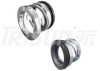
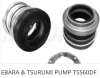
Mechanical seals are one of the most common sealing solutions for centrifugal pumps, mixers, and rotating shafts.
They use two precision-machined seal faces—one rotating and one stationary—to prevent leakage around a rotating shaft.
How Mechanical Seals Work
The rotating seal face spins with the shaft, while the stationary face remains fixed. A thin lubricating film forms between the faces, preventing excessive wear while stopping leakage.
Advantages of Mechanical Seals
- Minimal leakage
- Long service life
- Suitable for high pressure and temperature
- Better efficiency than packing seals
Common Applications
- Centrifugal pumps
- Chemical transfer pumps
- Boiler feed pumps
- Water treatment systems
Best Materials
- Carbon
- Silicon carbide
- Tungsten carbide
- Stainless steel
- Viton and EPDM elastomers
2. Gland Packing
Gland packing, also called compression packing or braided packing, is an older but still widely used sealing method.
It consists of braided fibers compressed around a shaft or stem to reduce leakage.
Advantages of Gland Packing
- Low cost
- Easy to install
- Works well in abrasive applications
- Can tolerate shaft misalignment
Disadvantages
- Higher leakage than mechanical seals
- Requires frequent adjustment
- Causes more shaft wear
Common Applications
- Slurry pumps
- Mining equipment
- Steam valves
- Industrial water pumps
Common Packing Materials
- Graphite packing
- PTFE packing
- Aramid fiber packing
- Carbon fiber packing
3. O-Rings
O-rings are simple circular elastomer seals used to prevent leakage between two stationary or slightly moving surfaces.
They are among the most cost-effective and versatile sealing solutions.
How O-Rings Work
When compressed between two surfaces, the O-ring creates a tight seal that blocks fluid or gas from escaping.
Advantages of O-Rings
- Low cost
- Easy to replace
- Compact design
- Suitable for many chemicals and temperatures
Typical Applications
- Valve stems
- Hydraulic cylinders
- Pneumatic systems
- Compressor housings
Common O-Ring Materials
- Nitrile (NBR)
- EPDM
- Viton
- Silicone
- PTFE
4. Gaskets
Gaskets are static sealing components installed between two flange surfaces.
They are essential in compressors, pipelines, heat exchangers, and valve connections.
Types of Gaskets
- Spiral wound gaskets
- Ring-type joint gaskets
- Non-asbestos gaskets
- Rubber gaskets
- Metal gaskets
Advantages of Gaskets
- Excellent static sealing
- Suitable for large flange surfaces
- Available for high pressure and temperature
Common Applications
- Compressor flanges
- Pump casing joints
- Pipe connections
- Valve bodies
5. Lip Seals
Lip seals, also called radial shaft seals, are used to seal rotating shafts and keep lubricants inside while preventing dirt and moisture from entering.
How Lip Seals Work
A flexible sealing lip presses against the rotating shaft, creating a barrier against leakage and contamination.
Advantages
- Low cost
- Effective contamination protection
- Easy installation
Common Applications
- Gearboxes
- Electric motors
- Small pumps
- Hydraulic equipment
Common Materials
- Nitrile rubber
- Fluoroelastomer
- Polyurethane
6. Cartridge Seals
Cartridge seals are pre-assembled mechanical seal units designed for easier installation and maintenance.
Unlike standard mechanical seals, they come as a complete assembly, reducing the risk of installation errors.
Benefits of Cartridge Seals
- Faster installation
- Reduced maintenance time
- Better alignment
- Lower chance of leakage
Best Applications
- Chemical process pumps
- Oil and gas pumps
- Food processing pumps
Expert Tip
Many facilities upgrade from traditional mechanical seals to cartridge seals because they reduce installation mistakes and improve equipment reliability.
7. Labyrinth Seals
Labyrinth seals are non-contact seals that use a complex path or maze to reduce leakage.
They are especially effective in high-speed compressors, turbines, and rotating equipment.
How Labyrinth Seals Work
The seal creates multiple chambers that restrict the flow of fluid or gas. Because the seal does not contact the shaft, it experiences minimal wear.
Advantages
- No friction
- Long service life
- Ideal for high-speed applications
Common Applications
- Gas compressors
- Steam turbines
- Blowers
- Turbo machinery
8. Bellows Seals
Bellows seals use a flexible metal or elastomer bellows instead of a secondary O-ring.
They are commonly used in corrosive, high-temperature, or vacuum applications.
Why Bellows Seals Are Important
Because they eliminate dynamic O-rings, bellows seals reduce the risk of seal hang-up and chemical attack.
Advantages
- Handles extreme temperatures
- Suitable for corrosive fluids
- Excellent for vacuum service
Common Industries
- Chemical processing
- Pharmaceutical manufacturing
- Petrochemical plants
9. Magnetic Seals
Magnetic seals, also called magnetic drive seals, use a magnetically coupled drive system instead of a traditional shaft seal.
These systems eliminate the need for a shaft penetration through the pump housing.
Key Advantage: Zero Leakage
Magnetic seals are ideal when even a small leak could be dangerous.
Common Applications
- Toxic chemicals
- Hazardous solvents
- Pharmaceutical products
- Explosive liquids
Industries That Use Magnetic Seals
- Chemical processing
- Pharmaceutical manufacturing
- Semiconductor plants
10. Bearing Isolators
Bearing isolators are specialized non-contact seals designed to protect bearings from dirt, water, chemicals, and contaminants.
They are commonly installed in pumps, motors, compressors, and fans.
How Bearing Isolators Work
The seal creates a tortuous path that blocks contaminants while allowing the shaft to rotate freely.
Advantages of Bearing Isolators
- Extends bearing life
- Reduces maintenance costs
- Prevents moisture ingress
- Performs better than standard lip seals in harsh environments
Common Applications
- Pump bearing housings
- Compressors
- Industrial fans
- Electric motors
How to Choose the Right Sealing Solution
Selecting the right industrial seal depends on several operating factors.
Key Selection Criteria
- Fluid type
- Pressure rating
- Operating temperature
- Shaft speed
- Chemical compatibility
- Abrasiveness
- Equipment type
- Regulatory requirements
Step-by-Step Seal Selection Process
- Identify whether the application requires a static or dynamic seal.
- Determine the pressure and temperature range.
- Evaluate the fluid for abrasiveness, viscosity, and corrosiveness.
- Select the proper seal material.
- Consider maintenance requirements and total lifecycle cost.
Common Mistakes When Choosing Seals
Many sealing failures occur because the wrong seal type or material is selected.
Frequent Mistakes
- Using NBR seals with aggressive chemicals
- Choosing gland packing for applications requiring near-zero leakage
- Ignoring shaft speed and temperature limits
- Failing to install seals correctly
- Selecting low-cost seals without considering lifecycle cost
Best Practice
Always verify material compatibility using chemical resistance charts and manufacturer recommendations before installation.
Real-World Use Cases
Chemical Plant Pump
A chemical transfer pump handling sulfuric acid may require a cartridge mechanical seal with Viton elastomers and silicon carbide faces.
Wastewater Slurry Pump
A mining slurry pump may perform better with braided gland packing because it can handle abrasive particles more effectively.
High-Speed Compressor
A natural gas compressor often uses labyrinth seals and bearing isolators to prevent leakage and protect bearings.
Pharmaceutical Pump
A pharmaceutical process pump transporting sterile liquids may use a magnetic drive seal to eliminate contamination risk.
Industry Trends in Sealing Technology
Modern industrial sealing solutions are becoming more advanced and energy efficient.
Current trends include:
- Smart seals with condition monitoring sensors
- Dry gas seals for compressors
- Low-emission sealing systems
- Cartridge seal upgrades
- Improved PTFE and elastomer materials
Many facilities are also adopting predictive maintenance programs to monitor seal wear and avoid unexpected shutdowns.
Frequently Asked Questions
What is the best sealing solution for pumps?
Mechanical seals are generally considered the best sealing solution for pumps because they provide low leakage, long life, and reliable performance.
What is the difference between a gasket and an O-ring?
A gasket seals between two flat surfaces, while an O-ring seals between round or cylindrical surfaces.
Which seal is best for high-temperature applications?
Bellows seals and metal gaskets are often best for high-temperature applications.
Are cartridge seals better than mechanical seals?
Cartridge seals are a type of mechanical seal. They are often easier to install and maintain than conventional mechanical seals.
What sealing solution prevents contamination in bearings?
Bearing isolators are one of the most effective solutions for protecting bearings from contamination and moisture.
Which seal type is best for hazardous chemicals?
Magnetic drive seals are ideal for hazardous chemicals because they provide zero leakage.
Why do industrial seals fail?
Industrial seals commonly fail because of improper installation, chemical incompatibility, excessive heat, pressure, dry running, or shaft misalignment.
Conclusion
The right sealing solution can significantly improve the performance, safety, and reliability of pumps, compressors, and valves. Mechanical seals, O-rings, gaskets, cartridge seals, gland packing, labyrinth seals, bellows seals, magnetic seals, lip seals, and bearing isolators all serve different purposes.
The best choice depends on your fluid, pressure, temperature, equipment design, and maintenance goals. By understanding the strengths and limitations of each sealing technology, you can reduce leakage, lower operating costs, and extend equipment life.
Recent Posts

October 26, 2016
The Most Successful Engineering ContractorContact US
Product Information
Quantity
Unit
Piece
Support order samples, customization, wholesale direct, and complete payment. If the product you look for does not have corresponding customized content, pls fill out the form below to contact us, and we will reply ASAP.