Why More Factories Are Upgrading Their Sealing Systems in 2026
Apr 10, 2026
Factories in 2026 are under more pressure than ever to reduce downtime, improve energy efficiency, and control maintenance costs. At the same time, production lines are running faster, environmental regulations are becoming stricter, and unplanned shutdowns are more expensive.
Because of these changes, many manufacturers are upgrading their sealing systems instead of continuing to repair older equipment. A modern sealing system does more than stop leaks. It also protects bearings, improves shaft reliability, reduces lubricant contamination, and helps critical equipment operate more efficiently.
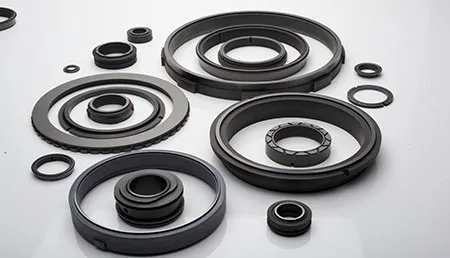
Facilities that continue using outdated packing or worn seals often experience repeated leakage, higher repair costs, and shorter equipment life. In contrast, factories that upgrade their sealing systems are seeing better performance and fewer maintenance problems.
Why Traditional Sealing Systems No Longer Meet Modern Demands
Many older industrial facilities still use sealing methods that were designed decades ago. While those systems may have worked in the past, they often struggle to meet today’s operating conditions.
Older sealing systems commonly create problems such as:
-
Frequent leakage
-
High maintenance requirements
-
Excessive friction and heat
-
Short bearing life
-
Greater risk of contamination
-
More unplanned downtime
| Traditional Sealing Issue | Impact on the Factory |
|---|---|
| Repeated leakage | Increases maintenance and product loss |
| Contamination in bearings | Shortens equipment life |
| Frequent adjustments | Requires more labor and downtime |
| Excessive friction | Raises operating temperature |
| Poor sealing reliability | Leads to repeated shutdowns |
Factories are moving away from outdated sealing approaches because the cost of continued repairs often exceeds the cost of an upgrade.
The Real Cost of Seal Failure in Industrial Equipment
A leaking seal may seem like a small issue, but it can quickly create larger problems throughout the plant.
When a seal fails, process fluid may escape from the pump or rotating equipment. This can:
-
Damage bearings
-
Contaminate lubricant
-
Increase shaft vibration
-
Create safety hazards
-
Cause environmental compliance issues
Long-tail searches related to this topic often include:
-
why industrial seals fail repeatedly
-
best sealing system for factory pumps
-
how to reduce leakage in rotating equipment
-
why factories upgrade mechanical seals
-
best way to improve pump reliability in manufacturing plants
In many facilities, one recurring seal problem can affect an entire production line. This is one reason why sealing upgrades have become a major maintenance priority in 2026.
Better Shaft Sealing Improves Equipment Reliability
Modern shaft sealing technology is designed to provide more stable, long-term performance.
Instead of relying on frequent adjustment, today’s sealing systems help maintain consistent contact between the rotating shaft and the seal faces. This reduces leakage and protects nearby components.
Improved shaft sealing offers several benefits:
-
Lower maintenance costs
-
Better bearing isolation
-
Improved lubricant contamination prevention
-
Longer equipment life
-
Higher energy efficiency
A cartridge seal is one of the most common upgrades because it is pre-assembled, easier to install, and less likely to be damaged during maintenance.
A component seal may still be used in some applications where flexibility or lower upfront cost is more important.
The right choice depends on the operating conditions, fluid type, and maintenance requirements.
Factories Want Better Bearing Protection
Many factories are upgrading sealing systems because they want to protect bearings more effectively.
In older systems, leaking fluid, moisture, or dust can enter the bearing housing. Once contamination reaches the bearings, the lubricant begins to break down.
This often leads to:
-
Bearing overheating
-
Shaft movement
-
Increased vibration
-
Premature seal failure
-
Repeated equipment breakdowns
Better sealing systems help prevent contamination before it damages the equipment.
Facilities that combine advanced seals with bearing isolation typically experience:
-
Lower bearing temperature
-
Longer lubricant life
-
Reduced maintenance frequency
-
Higher reliability for critical equipment
In many cases, factories are upgrading seals specifically because bearing-related failures have become too expensive.
Energy Efficiency Is Driving More Upgrades
Energy costs remain one of the largest operating expenses in manufacturing. Even a small amount of leakage or friction can increase electricity use across multiple pumps, compressors, and motors.
Modern sealing systems reduce friction and improve overall efficiency. Less friction means:
-
Lower operating temperature
-
Reduced power consumption
-
Longer equipment life
-
Lower maintenance cost
For example, an outdated seal that creates excessive drag on the shaft can increase the energy required to operate the equipment. Replacing it with a more efficient design often reduces energy use immediately.
This is especially important for factories operating:
-
High-speed pumps
-
Compressors
-
Chemical process systems
-
HVAC circulation systems
Some facilities with high-speed gas handling equipment are replacing older designs with a dry gas seal because it provides lower leakage and reduced friction.
Industry-Specific Sealing Upgrades Are Becoming More Common
Different industries have different sealing challenges. In 2026, more factories are selecting seals that are specifically designed for their environment.
Food and beverage facilities often require sanitary sealing systems. In these applications, an APV pump seal may be used because it supports hygienic processing and easy cleaning.
Wastewater and mining operations often face abrasive conditions. A Flygt pump seal is sometimes selected because it is designed for submerged or solids-handling environments.
Commercial buildings and large utility systems may use an Armstrong pump seal to improve the performance of circulation pumps.
Older equipment with unusual dimensions may require a machined seal because standard replacement parts do not fit correctly.
These examples show that factories are no longer choosing one universal sealing solution. Instead, they are selecting systems based on the actual operating conditions.
Modern Sealing Systems Reduce Maintenance Time
Maintenance teams are often asked to do more work with fewer resources. Because of this, factories increasingly prefer sealing systems that are faster and easier to maintain.
A modern sealing upgrade can reduce:
-
Installation time
-
Seal adjustment requirements
-
Emergency repair frequency
-
Downtime during maintenance
Why Pre-Assembled Designs Save Time
Pre-assembled sealing systems reduce the risk of installation errors because the critical dimensions are already set correctly.
This helps maintenance teams avoid common mistakes such as:
-
Incorrect seal positioning
-
Uneven face pressure
-
Shaft misalignment
-
Contamination during installation
Factories that replace older sealing methods with newer designs often report fewer failures after maintenance.
Environmental and Safety Regulations Are Influencing Seal Upgrades
In 2026, many factories are also upgrading their sealing systems to meet stricter environmental and workplace safety standards.
Leaking fluid can create:
-
Slip hazards
-
Chemical exposure risks
-
Environmental violations
-
Higher cleanup costs
Modern seals are better at controlling emissions and reducing product loss. This is especially important in industries that handle:
-
Hazardous chemicals
-
Pharmaceuticals
-
Oil and gas
-
Food processing
By reducing leakage, factories improve both compliance and workplace safety.
How to Know If Your Factory Needs a Sealing Upgrade
Many facilities continue repairing the same equipment repeatedly without recognizing that the sealing system is outdated.
Your factory may need a sealing upgrade if you notice:
-
Frequent leakage
-
Repeated bearing failures
-
Excessive maintenance cost
-
Rising energy use
-
Short seal life
-
More unplanned downtime
A Practical Upgrade Process
-
Review maintenance history
-
Identify the most common failure points
-
Inspect shaft sealing and bearing condition
-
Compare modern seal technologies
-
Choose the best design for the application
-
Monitor performance after installation
Factories that follow this process usually reduce downtime, lower operating cost, and improve equipment reliability.
Key Takeaways
-
More factories are upgrading sealing systems in 2026 because older designs create too much leakage, downtime, and maintenance.
-
Modern sealing systems improve shaft reliability, bearing protection, and lubricant contamination prevention.
-
Better sealing reduces energy use, operating temperature, and maintenance cost.
-
Different industries require different sealing solutions depending on the environment and fluid type.
-
Upgraded seals are easier to install, faster to maintain, and more reliable.
-
Environmental and safety regulations are making sealing upgrades more important.
-
Facilities that invest in better sealing often see lower total operating costs.
Ready to Improve Your Sealing System?
If your facility is still dealing with frequent leakage, unplanned shutdowns, or rising maintenance costs, now is the right time to evaluate your sealing strategy. Upgrading to the right solution can improve equipment reliability, reduce energy loss, and extend pump life.
FAQs
What is the main reason factories replace old sealing systems?
Factories usually replace old sealing systems because they leak too often and require constant maintenance. Modern systems improve reliability and reduce downtime.
Are modern sealing systems more expensive?
The initial cost may be higher, but most factories save money over time through lower maintenance, fewer failures, and reduced energy use.
Can a sealing upgrade improve bearing life?
Yes. Better sealing keeps contaminants out of the bearing housing and helps maintain proper lubrication. This can significantly extend bearing life.
Which sealing system is best for industrial pumps?
The best system depends on the application, fluid type, temperature, and operating conditions. A proper evaluation is required before selecting a seal.
How often should industrial seals be inspected?
Most industrial seals should be inspected during routine maintenance intervals. Critical equipment may require more frequent checks to prevent unexpected failures.
Why are factories upgrading their sealing systems in 2026?
Factories are upgrading because modern seals reduce leakage, improve reliability, lower maintenance costs, and help meet stricter regulations.
What are the benefits of modern shaft sealing?
Modern shaft sealing improves bearing protection, reduces contamination, lowers friction, and extends equipment life.
How do sealing systems improve energy efficiency?
Modern seals reduce friction and leakage, which lowers the amount of power required to operate pumps and rotating equipment.
What industries need sealing upgrades the most?
Industries such as food processing, chemical manufacturing, wastewater, mining, and HVAC systems often benefit the most.
How do I know if my current sealing system is outdated?
Frequent leakage, rising repair costs, short seal life, and repeated bearing failures are all signs that the sealing system may need to be upgraded.

Recent Posts

October 26, 2016
The Most Successful Engineering ContractorContact US
Product Information
Quantity
Unit
Piece
Support order samples, customization, wholesale direct, and complete payment. If the product you look for does not have corresponding customized content, pls fill out the form below to contact us, and we will reply ASAP.