The Best Way to Prevent Overheating in Critical Equipment
Apr 10, 2026
Overheating is one of the leading causes of unexpected equipment failure in industrial facilities. Pumps, compressors, motors, gearboxes, and other rotating assets often operate under demanding conditions. When excess heat builds up, even a small temperature increase can reduce equipment life, damage bearings, degrade lubricants, and trigger repeated shutdowns.
According to industrial maintenance studies, every 10°C increase above the recommended operating temperature can cut bearing and lubricant life by nearly half. In critical equipment, that means higher repair costs, more downtime, and increased safety risks.
The good news is that overheating is usually preventable. Facilities that focus on cooling efficiency, shaft sealing, proper lubrication, and predictive maintenance often see major improvements in equipment reliability.
Why Critical Equipment Overheats
The most common cause of overheating is not a single failed part. Heat problems usually develop when several reliability issues happen at the same time.
Typical causes include:
-
Inadequate lubrication
-
Bearing contamination
-
Excessive friction
-
Misalignment
-
Poor cooling system performance
-
Blocked ventilation
-
Incorrect operating conditions
-
Seal failure or fluid leakage
When these problems are ignored, the equipment runs hotter each day until a major failure occurs.
| Common Cause | How It Creates Heat |
|---|---|
| Low lubricant levels | Increases friction between moving parts |
| Dirty or contaminated bearings | Creates drag and wear |
| Misalignment | Produces additional load and vibration |
| Cooling failure | Prevents heat from leaving the system |
| Overloaded equipment | Forces the motor or pump to work harder |
Why Lubrication Is the First Line of Defense
The fastest way to reduce overheating is to improve lubrication quality and consistency.
Lubricants create a thin protective layer between moving surfaces. Without that layer, friction increases rapidly and heat builds up inside bearings, shafts, and couplings.
Long-tail searches related to this issue often include:
-
how to stop bearings from overheating
-
best lubricant for industrial pump bearings
-
why rotating equipment gets too hot
-
how to reduce friction in industrial machinery
-
common causes of bearing overheating in pumps
To improve lubrication performance:
-
Use the correct oil or grease for the equipment
-
Follow the manufacturer’s lubrication schedule
-
Avoid over-lubrication and under-lubrication
-
Replace contaminated lubricant immediately
-
Inspect lubricant color and viscosity regularly
Expert Insight: Why Contamination Causes Heat
In real-world industrial applications, contamination is one of the biggest hidden causes of overheating. Water, dust, chemicals, or leaking process fluid can enter the bearing housing and destroy lubricant performance.
Once contamination begins, the lubricant loses its ability to reduce friction. The bearing temperature rises, wear accelerates, and overheating becomes much more likely.
Facilities that prioritize bearing isolation and contamination control often see lower operating temperatures and longer equipment life.
Shaft Sealing and Leakage Control Prevent Excess Heat
A leaking pump or rotating asset does not only waste fluid. It can also increase temperature throughout the system.
When seals fail, process fluid may escape into the bearing housing or lubrication chamber. This contaminates the lubricant and increases friction.
Better shaft sealing helps:
-
Keep contaminants out
-
Protect the bearings
-
Maintain stable operating temperature
-
Improve long-term equipment maintenance
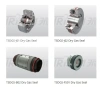
A cartridge seal is often preferred in demanding applications because it provides consistent alignment and simpler installation.
Some systems use a component seal when the application requires more flexibility or a lower-cost replacement option.
For circulation systems in commercial buildings and industrial utilities, an Armstrong pump seal may be selected to improve reliability under continuous operating conditions.
Each of these sealing methods can reduce overheating when correctly matched to the application.
Why Cooling Systems Fail in Critical Equipment
Even the best equipment will overheat if the cooling system is not working properly.
Many industrial systems rely on external cooling methods to remove heat from the bearings, seal chamber, or process fluid. If the cooling system becomes blocked, undersized, or poorly maintained, temperatures rise quickly.
Common cooling problems include:
-
Dirty heat exchangers
-
Low coolant flow
-
Clogged cooling lines
-
Fan failure
-
Incorrect coolant selection
A thermosiphon system is commonly used to circulate cooling fluid naturally around the seal chamber without requiring an external pump. When properly maintained, it helps stabilize temperature and extend seal life.
How to Check Whether Cooling Is Working
Use these signs to determine whether your equipment cooling system is underperforming:
-
Rising surface temperature
-
Frequent automatic shutdowns
-
Burnt lubricant smell
-
Discolored bearings or shaft sleeves
-
Increased vibration after long operation
If any of these signs appear, inspect the cooling circuit immediately.
Misalignment and Vibration Create Hidden Heat
Misalignment is one of the most overlooked causes of overheating.
When the shaft, coupling, or motor is not aligned correctly, extra friction develops inside the equipment. That additional friction creates heat.
Both angular and parallel misalignment can lead to:
-
Higher bearing temperature
-
Seal wear
-
Shaft damage
-
Increased vibration
-
Reduced equipment efficiency
Facilities that want better ANSI pump reliability should perform regular alignment checks using laser tools rather than older straightedge methods.
Real Example: Overheating Caused by Poor Alignment
A manufacturing plant repeatedly replaced bearings in a process pump because the equipment overheated every few weeks. After several failed repairs, technicians discovered the motor and pump were misaligned by less than 1 millimeter.
Once the alignment was corrected, bearing temperature dropped significantly and the pump continued running without another overheating issue.
This example shows why treating the symptom rarely works. The root cause must be identified.
Preventive Maintenance Is More Effective Than Emergency Repairs
Most overheating failures do not happen suddenly. The warning signs appear weeks or months in advance.
A strong preventive maintenance plan should include:
-
Routine temperature monitoring
-
Vibration analysis
-
Lubricant inspection
-
Shaft alignment checks
-
Cooling system inspection
-
Bearing and seal replacement schedules
By using predictive maintenance tools, facilities can detect rising temperature before it leads to equipment failure.
Common technologies include:
-
Infrared thermal imaging
-
Wireless temperature sensors
-
Oil contamination testing
-
Vibration monitoring software
These tools are especially valuable for critical equipment that cannot afford unplanned downtime.
How Proper Seal Preparation Reduces Overheating
The condition of the seal faces also affects operating temperature.
If the seal faces are rough, damaged, or uneven, they create more friction and heat during operation. This is one reason why proper finishing and preparation matter.
A lapping machine is often used during seal manufacturing and refurbishment to create a smooth, flat surface on the seal faces. Better surface quality improves contact, reduces friction, and helps prevent overheating.
Proper seal preparation should always include:
-
Inspecting seal face condition
-
Checking for scratches or wear
-
Confirming correct flatness
-
Replacing damaged components before installation
The Best Way to Prevent Overheating Long Term
The best long-term strategy is to combine several reliability practices rather than rely on one quick fix.
Step 1: Improve Lubrication
Use the correct lubricant, protect it from contamination, and inspect it regularly.
Step 2: Protect Bearings and Seals
Improve shaft sealing, install bearing isolators, and replace damaged components early.
Step 3: Monitor Temperature Continuously
Use sensors or thermal imaging to identify hot spots before failure occurs.
Step 4: Verify Alignment and Vibration
Correct misalignment and eliminate vibration before it damages the equipment.
Step 5: Maintain the Cooling System
Inspect cooling lines, heat exchangers, and circulation systems regularly.
Facilities that follow these practices usually experience:
-
Lower operating temperature
-
Longer bearing and seal life
-
Reduced emergency repairs
-
Better energy efficiency
-
More reliable equipment performance
Key Takeaways
-
Overheating is usually caused by lubrication issues, contamination, misalignment, or cooling failure.
-
Better shaft sealing and bearing isolation help keep equipment temperature under control.
-
Lubricant contamination prevention is essential for reducing friction and extending equipment life.
-
Proper alignment improves efficiency and reduces hidden heat.
-
Cooling systems must be inspected regularly to prevent blocked flow or reduced performance.
-
Predictive maintenance tools help identify overheating before major failure occurs.
-
Long-term reliability comes from solving the root cause rather than repeating the same repair.
FAQs
How do I know if my equipment is overheating?
Warning signs include rising surface temperature, burnt lubricant smell, unusual vibration, and repeated shutdowns. You may also notice reduced efficiency or discoloration around the bearings.
Why does contaminated lubricant cause overheating?
Contaminated lubricant cannot reduce friction effectively. As friction increases, bearings and shafts run hotter and wear out faster.
Can a failed seal make equipment overheat?
Yes. A failed seal can allow contaminants into the bearing housing or reduce cooling efficiency. This often increases friction and operating temperature.
How often should cooling systems be inspected?
Cooling systems should be checked during every routine maintenance interval. Critical equipment may require weekly or monthly inspections depending on operating conditions.
What is the best way to stop repeated overheating problems?
The best solution is to identify the root cause, improve lubrication, correct alignment, inspect cooling systems, and monitor temperature continuously.
What causes critical equipment to overheat?
Critical equipment often overheats because of poor lubrication, contaminated bearings, cooling failure, excessive friction, or shaft misalignment.
How can you reduce overheating in industrial pumps?
You can reduce overheating by improving lubrication, maintaining proper shaft sealing, checking alignment, and inspecting the cooling system.
Why do bearings overheat in rotating equipment?
Bearings overheat when they do not receive enough lubrication or when contamination increases friction inside the bearing housing.
Can poor alignment cause equipment overheating?
Yes. Misalignment creates extra friction and vibration, which increases operating temperature.
What is the best maintenance strategy to prevent overheating?
Preventive and predictive maintenance are the best strategies because they identify temperature problems before equipment fails.
.webp?x-oss-process=image/resize,w_100/quality,q_100)
Recent Posts

October 26, 2016
The Most Successful Engineering ContractorContact US
Product Information
Quantity
Unit
Piece
Support order samples, customization, wholesale direct, and complete payment. If the product you look for does not have corresponding customized content, pls fill out the form below to contact us, and we will reply ASAP.