How to prevent pump overheating and maintain efficient heat transfer in industrial systems
Sep 15, 2026
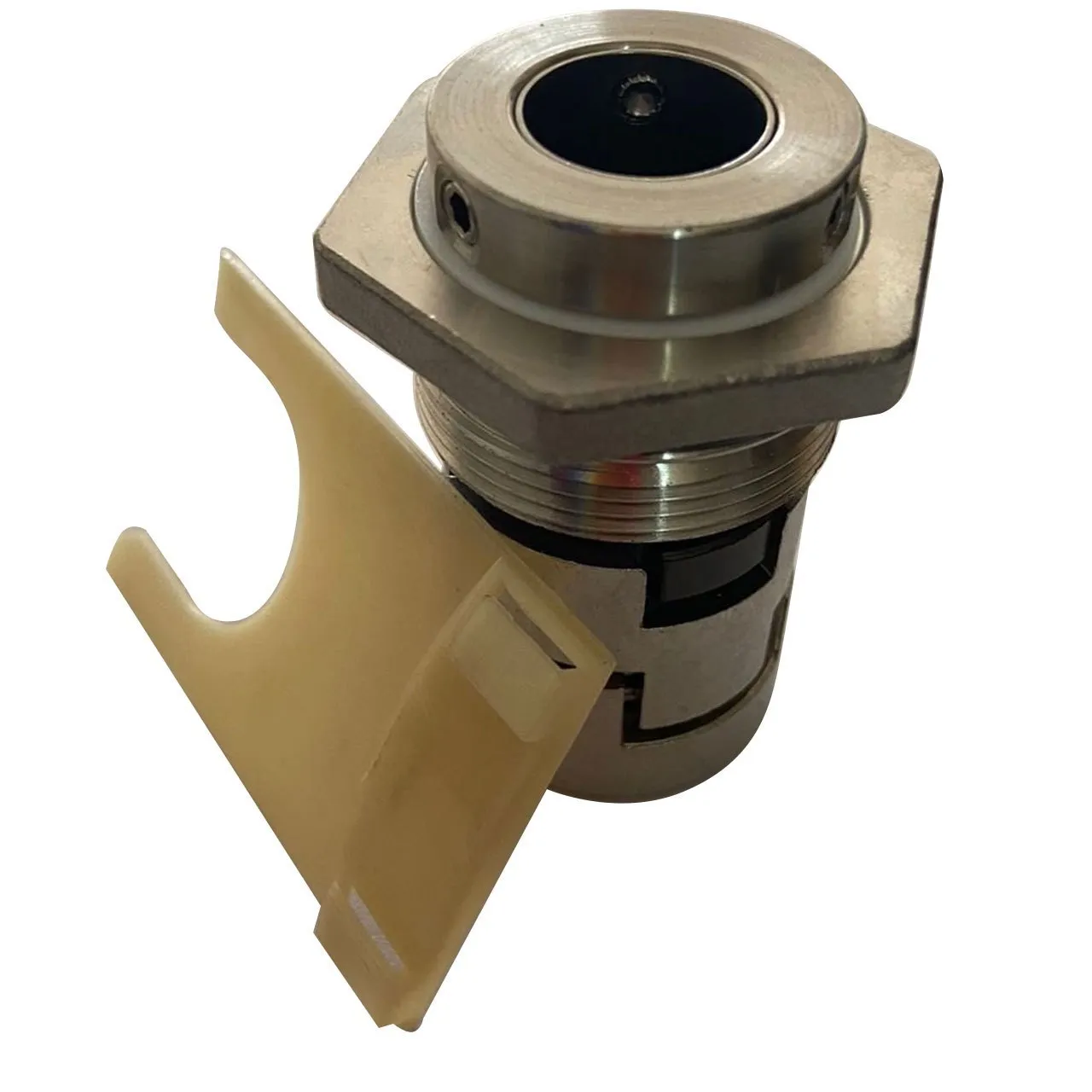
Pump overheating often begins with rising casing temperature, seal leakage, unstable flow or higher power use. Low flow, dry running, poor suction, friction and inadequate cooling are common causes. Business costs can include shorter component life, unplanned maintenance and lost production. A Mechanical seal is particularly sensitive because its faces need a thin fluid film for cooling and lubrication. These checks can help control heat and protect Pump parts.
The most effective way to prevent pump overheating is to control the conditions that generate or retain heat: maintain the correct flow, prevent dry running, monitor cooling performance, and keep the pump, impeller and sealing system in good condition.
Heat management is especially important around the mechanical seal, where excessive friction, inadequate lubrication or poor cooling can quickly lead to seal damage and leakage.
1. Keep the pump near its intended flow range
Operating far below the required flow can increase internal recirculation and convert useful energy into heat. The Pump impeller and other Pump parts may then face higher stress and wear.
That means more energy use and maintenance. Check actual flow, pressure and valve position against the pump duty before replacing components.
2. Protect the seal from dry running
A Mechanical seal needs adequate lubrication and heat removal. Dry running or poor circulation can overheat the faces, damage secondary sealing elements and cause leakage.
A damaged pump seal can allow leakage, increase maintenance requirements and, in some cases, contribute to further equipment damage. Verify flush, cooling or barrier arrangements where required and investigate the operating cause before fitting another pump seal.
3. Check heat exchanger performance and cooling flow
A heat exchanger can remove process heat when external cooling is part of the system design. Fouling, restricted flow or inadequate temperature differential can reduce cooling performance and allow temperatures to rise.
Measure cooling flow, inlet and outlet temperatures, pressure where applicable, and cleanliness. The heat exchanger should be treated as part of the pump reliability system when it is used for cooling.
4. Match the seal to the service
A Grundfos seal should match the pump model and actual service conditions. Temperature, pressure, speed, fluid chemistry and solids can all affect sealing performance and heat generation at the seal faces. An incorrectly selected or poorly installed seal may experience excessive friction, inadequate lubrication or premature wear.
For demanding applications, a metal bellow seal may be suitable when its design and materials match the operating conditions. Metal bellows can eliminate some conventional secondary sealing elements, but seal selection still needs to consider temperature, pressure, speed, fluid compatibility and equipment configuration. The metal bellow seal should therefore be selected based on the complete application rather than used simply as a solution for overheating.
5. Check the pump impeller and other mechanical loads
A worn Pump impeller, restricted suction path or poor alignment can increase vibration, reduce efficiency and add mechanical load. These conditions can increase mechanical and hydraulic losses, raise operating temperature and accelerate wear in bearings and the pump seal.
Inspect the Pump impeller, coupling and bearings during planned maintenance. Fixing the cause is usually cheaper than repeated Pump seal replacement.
6. Track temperature before failure
Trend casing, bearing and seal-area temperatures. A gradual rise, especially with vibration or leakage, can indicate a change in operating conditions.
Early intervention supports planned maintenance and can help determine whether the seal, cooling system or another component needs attention. If a particular seal design is repeatedly showing abnormal temperature or leakage, review its selection and operating conditions before replacement.
Which pump parts should be checked when a pump overheats?
Pump overheating should not be treated as a seal-only problem. Inspect the pump impeller, shaft, bearings, mechanical seal, coupling and other accessible pump parts for wear, blockage, misalignment or damage. The cause may be hydraulic, mechanical or thermal, so replacing a single component without identifying the underlying problem can lead to recurring failures.
Relevant Trisun solutions
For industrial rotating equipment, Trisun supplies machined seal solutions, Grundfos seal products, seal support systems and compatible impellers. Our portfolio also includes Pump seal solutions for different pump applications.
Reduce pump heat before it becomes a production problem
Preventing overheating starts with identifying the source of heat and confirming that the pump, cooling system and sealing arrangement are operating within their intended conditions.
Need a sealing solution matched to your pump and operating conditions? Connect with Trisun to discuss the right sealing and fluid-containment approach for your application and reduce the risk of repeat failures.
FAQs
Can a faulty pump seal cause overheating?
Yes. Excessive face friction or loss of lubrication can generate heat.
Why does low flow heat a pump?
Low-flow operation can increase internal recirculation and heat generation.
When should a Grundfos seal be replaced?
When leakage, wear, damage or changed service conditions make reliable sealing unlikely.
Is a Heat exchanger always necessary?
No. Cooling requirements depend on the pump design, process duty, operating temperature and sealing arrangement. A heat exchanger may be used when the system requires controlled removal of process or seal-support heat, but it is not required for every pump.
What pump parts should be checked when a pump overheats?
Inspect the pump impeller, shaft, bearings, mechanical seal, coupling and other accessible components. Check for wear, blockage, misalignment, abnormal vibration and conditions that can increase friction or restrict flow.
Can a mechanical seal prevent pump overheating?
A mechanical seal does not normally prevent pump overheating on its own. However, correct seal selection, lubrication, cooling and installation can help control heat at the sealing faces and prevent seal-related overheating and premature failure.

Recent Posts

October 26, 2016
The Most Successful Engineering ContractorContact US
Product Information
Quantity
Unit
Piece
Support order samples, customization, wholesale direct, and complete payment. If the product you look for does not have corresponding customized content, pls fill out the form below to contact us, and we will reply ASAP.