Products


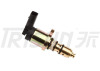
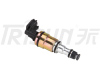
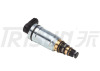
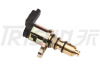
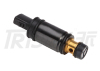
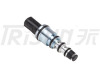
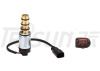
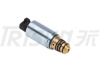
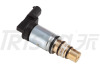
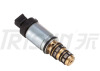
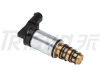
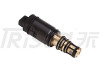
How to Select the Right Machined Mechanical Seal
Selecting a machined mechanical seal requires matching the seal design and materials to the equipment and operating conditions.
- Shaft diameter and dimensions: Confirm the shaft size, seal dimensions, and available installation space.
- Equipment type: Match the seal to the specific pump or rotating equipment.
- Operating pressure and temperature: Select a seal suitable for the actual pressure and temperature range.
- Process fluid: Consider chemical compatibility, viscosity, abrasiveness, and solids content.
- Seal face and elastomer materials: Select materials based on wear, corrosion, temperature, and fluid compatibility.
- Rotational speed: Ensure the seal is suitable for the equipment's operating speed.
Frequently Asked Questions
What is a machined mechanical seal?
A machined mechanical seal is a precision-manufactured sealing component designed to help prevent fluid leakage between rotating and stationary equipment components.
How do I select a machined mechanical seal?
Consider the shaft size, equipment model, operating pressure and temperature, fluid type, rotational speed, and required seal materials.
What materials are used in machined mechanical seals?
Depending on the application, mechanical seals may use materials such as carbon, ceramic, silicon carbide, tungsten carbide, stainless steel, and compatible elastomers.
Need a Machined Mechanical Seal?
Share your equipment model, shaft size, seal dimensions, fluid type, pressure, temperature, and speed with Trisun to help identify a suitable machined mechanical seal for your application.
Get a Machined Mechanical Seal Quote
Contact US
Product Information
Quantity
Unit
Piece
Support order samples, customization, wholesale direct, and complete payment. If the product you look for does not have corresponding customized content, pls fill out the form below to contact us, and we will reply ASAP.