Critical components that influence performance in industrial fluid handling
Jan 28, 2026
If you work with pumps, agitators, or mixers, you may know that industrial fluid handling is not as simple as it looks on the outside. The truth is: performance depends on the smallest components.
Whether you are operating an ANSI pump, a mixer system, or a heavy-duty industrial process line, it’s essential to avoid minor sealing failures, poor material choice, or misaligned rotating parts. These can lead to leakage, downtime, energy loss, and expensive repairs.
In this guide, we will understand how components truly influence performance and help you make smarter maintenance and upgrade decisions. Let’s start.
.webp)
1. Mechanical seals
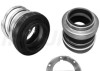
These are known as the first line of defense against leakage in any rotating equipment. These critical components prevent fluid from leaking along the shaft in different operating conditions. Mechanical seals are designed to handle high pressure, varying temperatures, corrosive fluids, and continuous operations.
Selecting the right seal is essential because it helps reduce leakage, protect the shaft, and improve overall performance. An incorrectly selected seal can be the reason for repeated pump failures.
2. Component seals vs. cartridge seals
Are you working with pumps and don’t know which seal is best for your system? Don’t worry, let’s discuss how understanding the difference between a component seal and a cartridge seal can directly impact maintenance efficiency and system uptime.
Let’s start with a component seal. This seal is supplied as individual parts: faces, springs, and elastomers. This allows greater flexibility in customization and material selection, and better control by engineers over each element.
Now, let us discuss cartridge seals. These are pre-assembled units that simplify installation, reduce human intervention, and improve performance. These are suitable for high-pressure applications.
Cartridge seal is the best option for industries aiming to reduce errors and downtime. On the other hand, a component seal is used in customized or cost-sensitive applications.
3. Encapsulated rings
The encapsulated ring may look like a minor sealing element, but it plays a major role in chemical and thermal resistance. Encapsulated rings consist of an elastomer core covered with PTFE. This design protects the elastomer from:
- Chemical attack
- Swelling
- Thermal degradation
- Abrasive wear
Systems operating in harsh conditions, such as handling aggressive fluids and operating under fluctuating temperatures, must be integrated with encapsulated rings. It has been seen that replacing O-rings with encapsulated ones results in extended seal life and reduced failures. This upgrade is a game-changer for industries like chemicals, pharmaceuticals, and food processing.
4. Mixer agitator seals
Unlike standard pumps, mixers and agitators can handle motion, pressure, and misalignment. They handle all additional challenges while maintaining a tight seal.
These seals are designed to:
- Tolerate shaft movement
- Handle changing pressure conditions.
- Operate reliably during start-stop cycles.
- Prevent contamination in sensitive processes.
Using standard pump seals in mixer applications often leads to premature failure. Dedicated mixer agitator seals ensure smoother operation, longer service life, and better process control.
5. Pump impeller and ANSI pump design
While seals prevent leakage, the pump impeller determines how efficiently fluid is moved through the system. Poor impeller design or wear can lead to:
- Reduced flow
- Increased vibration
- Higher energy consumption
- Excess load on seals and bearings
In ANSI pump systems, maintaining proper impeller clearances and balance is essential. A worn or damaged impeller creates a hydraulic imbalance, which directly affects seal performance and bearing life.
When impellers and seals work in harmony, pumps operate smoothly, consume less energy, and last longer.
Wrapping up
Industrial fluid handling performance is directly related to how well the parts work together. Every element, including mechanical seals, component seals, encapsulated rings, cartridge seals, mixer agitator seals, and the pump impeller itself, plays a role in reliability, efficiency, and uptime.
Modern plants are shifting towards upgrading these components. And the result? Lower maintenance costs, fewer breakdowns, and increased performance. Are you looking to improve the performance of your ANSI pumps, mixers, and fluid handling systems? Now is the time.
At Trisun, we offer high-quality mechanical seals, component and cartridge seals, encapsulated rings, and advanced sealing solutions designed for demanding industrial applications.
Recent Posts

October 26, 2016
The Most Successful Engineering ContractorContact US
Product Information
Quantity
Unit
Piece
Support order samples, customization, wholesale direct, and complete payment. If the product you look for does not have corresponding customized content, pls fill out the form below to contact us, and we will reply ASAP.